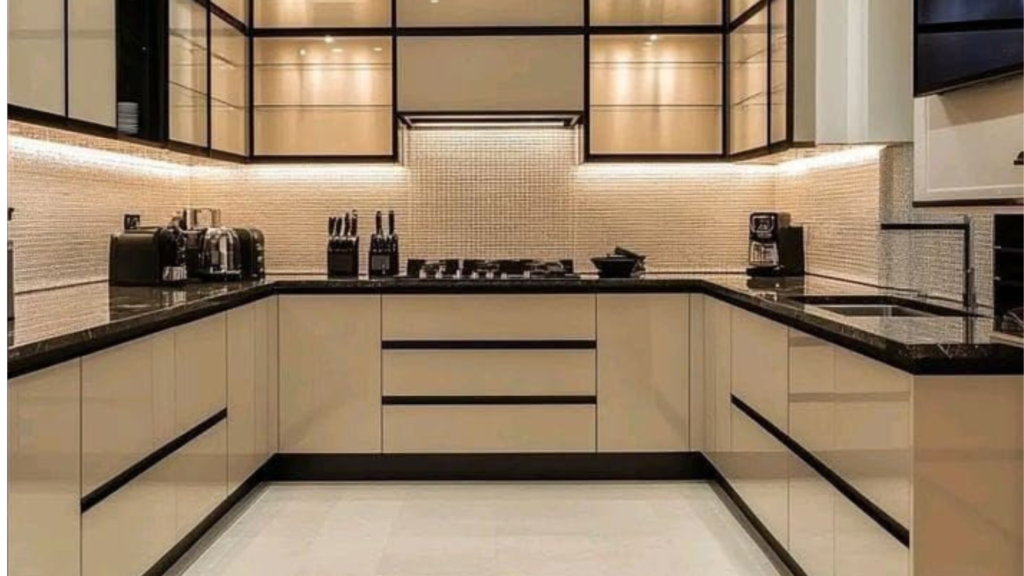
Smart kitchen organization helps save time, reduce stress, and improve efficiency in daily cooking routines. By decluttering spaces, using smart storage solutions, organizing cabinets, and keeping frequently used items accessible, you can create a more functional kitchen. Simple habits like labeling containers and maintaining a daily reset routine also make it easier to keep the kitchen neat and productive. An organized kitchen not only speeds up meal preparation but also creates a cleaner and more enjoyable cooking environment.
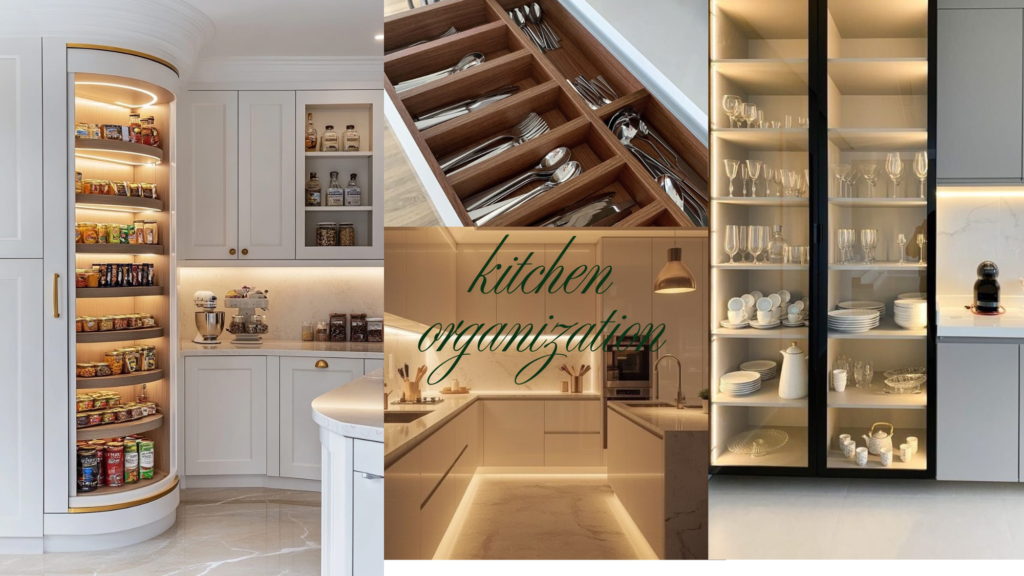
1. Declutter Your Kitchen First
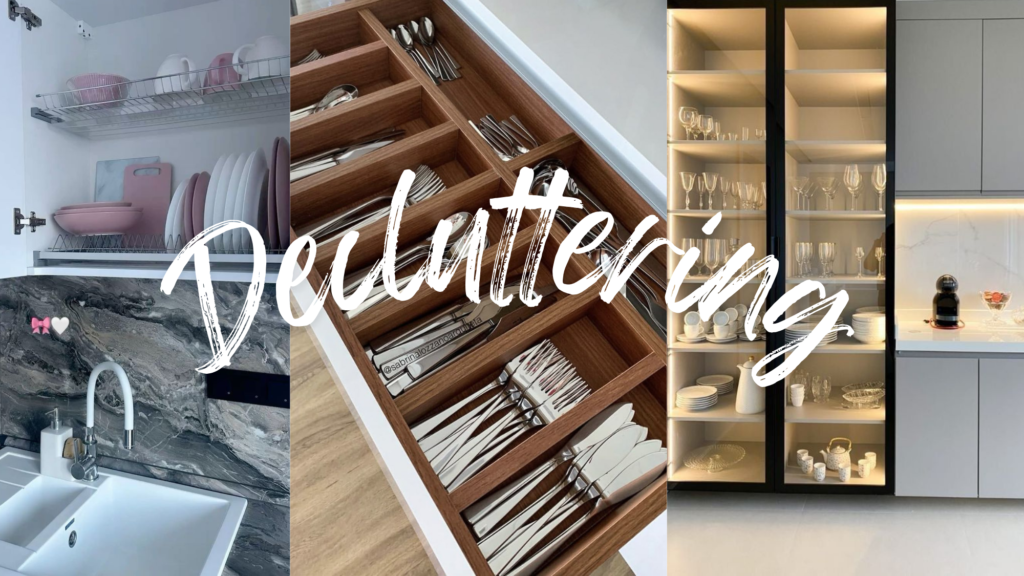
A clutter-free kitchen makes cooking faster and less stressful. Start by removing expired food, duplicate utensils, and appliances you rarely use. Keep only the essentials that support your daily cooking routine. A clean and organized space also makes it easier to maintain order long-term.
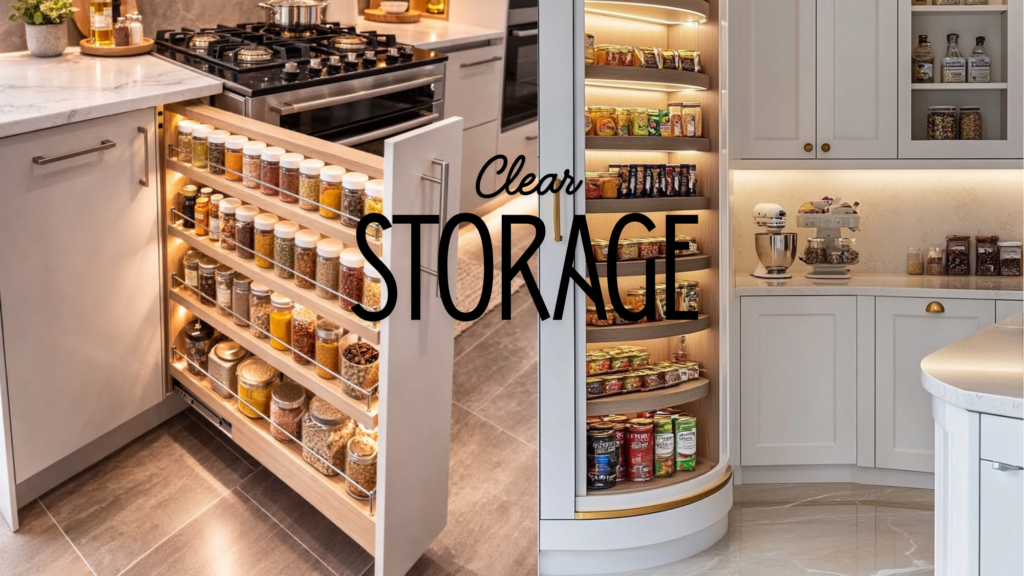
2. Use Clear Storage Containers
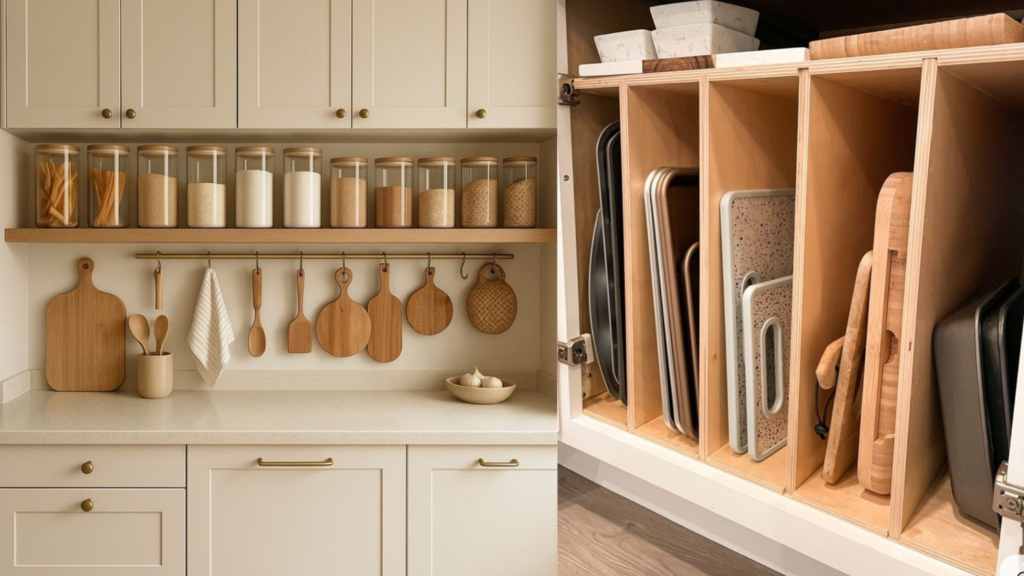
Transparent containers help you quickly identify ingredients without opening multiple jars or boxes. Store rice, pasta, spices, and snacks in labeled airtight containers to keep them fresh and easy to access. This simple habit saves time during meal prep and grocery planning.
3. Organize Cabinets by Category
Group similar items together, such as baking supplies, spices, cookware, or snacks. This system prevents unnecessary searching and helps everyone in the household know where things belong. Categorized cabinets create a smoother and more efficient kitchen workflow.
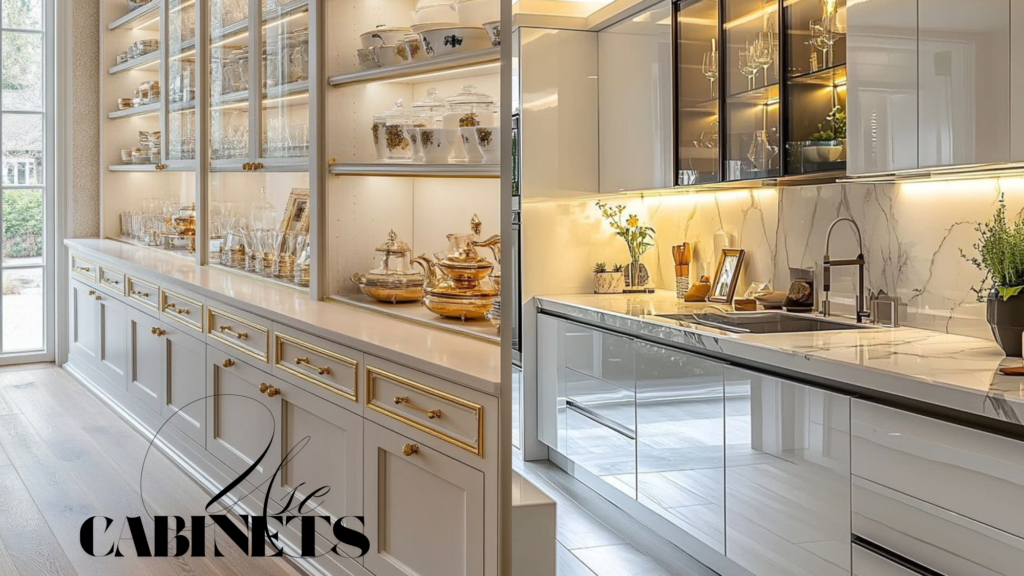
4. Maximize Vertical Space
Use wall-mounted racks, hanging hooks, or stackable shelves to take advantage of unused vertical space. Hanging pans, mugs, or cooking utensils keeps countertops clear and items within reach. Smart vertical storage makes even small kitchens feel larger and more functional.
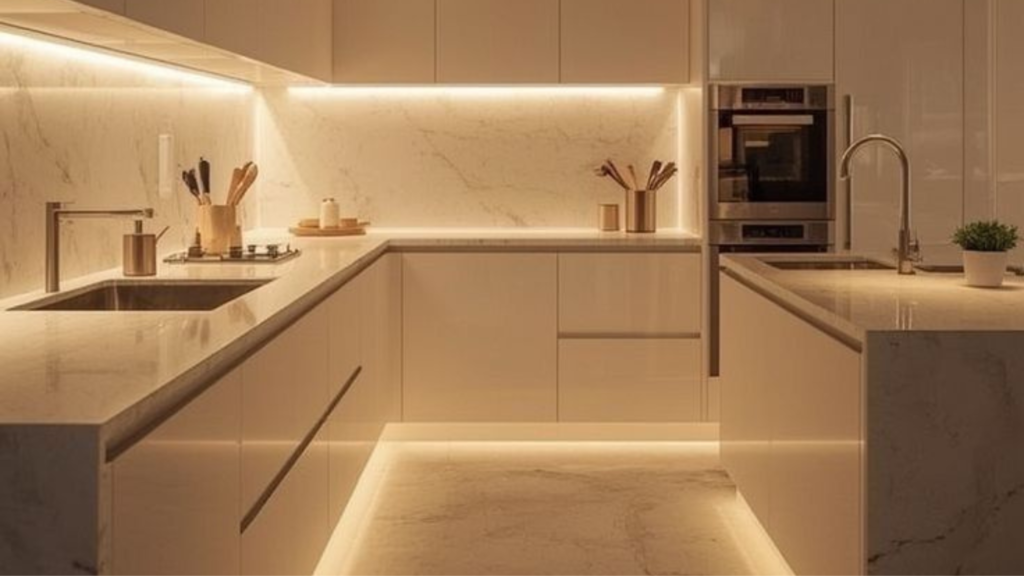
5. Create a Dedicated Prep Station
Designate one area of the kitchen for meal preparation with cutting boards, knives, mixing bowls, and commonly used ingredients nearby. Having everything in one place reduces movement and speeds up cooking tasks. A prep station also keeps the kitchen more organized while cooking.
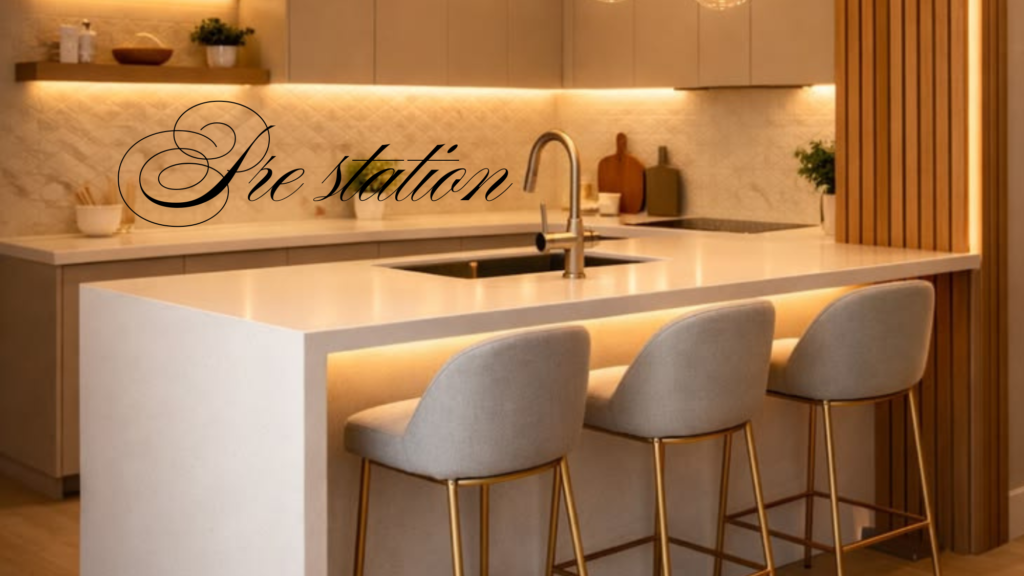
6. Label Everything Clearly
Labels make it easier to find ingredients and maintain organization over time. Use simple labels for containers, shelves, and pantry bins so everyone can return items to the correct place. This small detail prevents confusion and saves valuable time every day.

7. Keep Frequently Used Items Accessible
Store everyday essentials like cooking oils, spices, and utensils near the stove or prep area. Frequently used plates, cups, and appliances should be placed at eye level for convenience. Easy access reduces unnecessary movement and improves kitchen efficiency.
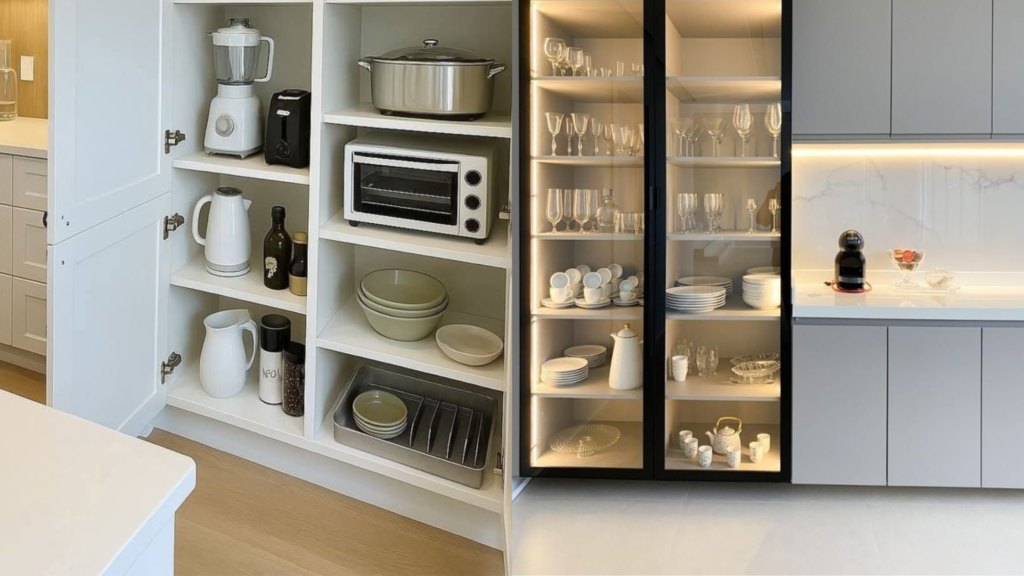
8. Use Drawer Dividers and Organizers
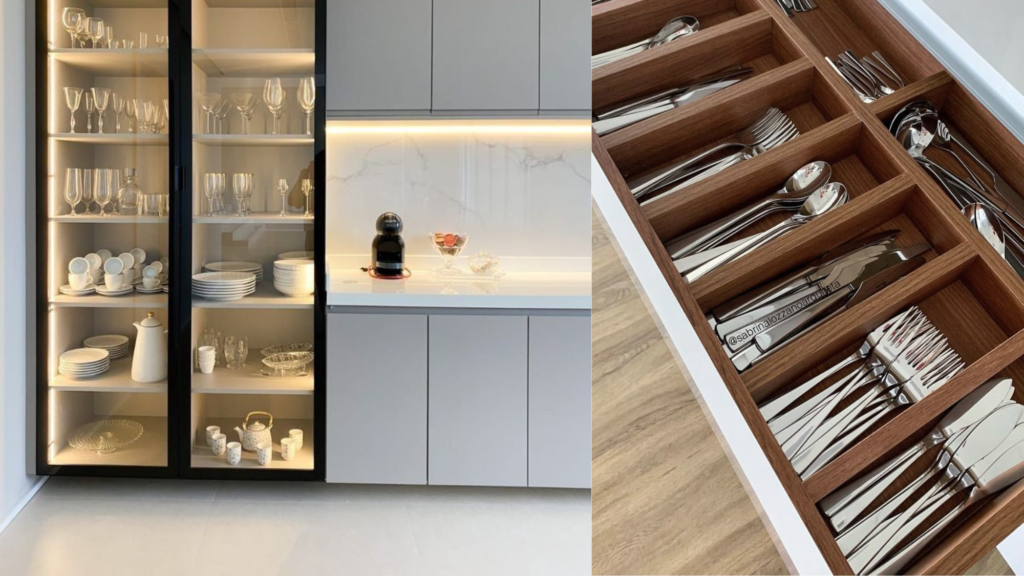
Messy drawers can waste time when searching for tools or utensils. Drawer dividers help separate spoons, knives, measuring tools, and gadgets neatly. Organized drawers create a cleaner look and make cooking much more convenient.
9. Plan a Functional Pantry System
Arrange pantry items according to frequency of use and expiration dates. Place newer products behind older ones to reduce food waste and keep snacks or cooking ingredients in separate zones. A well-organized pantry simplifies meal planning and grocery shopping.
10. Maintain a Daily Reset Routine
Spend just 10–15 minutes each day putting items back in place, wiping counters, and clearing clutter. Consistent maintenance prevents the kitchen from becoming disorganized again. A daily reset keeps your kitchen efficient, clean, and ready for the next meal.