
Studying abroad is an exciting opportunity that offers academic growth, cultural exposure, and personal development. However, one of the biggest challenges international students face is managing accommodation and living expenses. Understanding the different housing options, monthly costs, budgeting strategies, and financial responsibilities can help students avoid unnecessary stress and make informed decisions. This guide explores the key aspects of student accommodation and monthly expenses to help future international students prepare for a successful and financially stable experience abroad. Student life abroad offers exciting opportunities but requires smart planning. Learn how to manage accommodation, monthly expenses, and daily costs to enjoy a comfortable and successful international student experience.

1. Why Understanding Living Expenses Before Moving Abroad Is Important
Studying abroad involves much more than paying tuition fees. Many Student life abroad focus heavily on university costs while underestimating their monthly living expenses. This can lead to financial difficulties once they arrive in their destination country.
Understanding living expenses beforehand allows students to create realistic budgets and plan their finances effectively. Knowing how much accommodation, food, transportation, and utilities cost can prevent unexpected financial stress.
Financial preparation also helps students make informed decisions regarding their lifestyle choices. Students who understand their expected expenses are less likely to overspend during their first few months abroad.
Moreover, having a clear picture of living costs helps families prepare financially and avoid emergencies. It ensures that students can focus on their studies rather than worrying about money.
Proper financial planning is one of the most important steps toward a successful study-abroad experience.

2. Choosing the Right Student Accommodation
Accommodation is usually the largest monthly expense for international students. Therefore, choosing the right type of housing is extremely important.
Most Student life abroad have several accommodation options, including university dormitories, shared apartments, private studios, and homestays. Each option comes with its own advantages and costs.
University residences are often popular among first-year students because they provide convenience, security, and opportunities to meet other students. However, they may have limited availability.
Shared apartments are generally more affordable and allow students to divide rent and utility costs with roommates. This option can significantly reduce monthly expenses.
When selecting accommodation, students should consider factors such as location, safety, transportation access, and overall affordability rather than focusing solely on rental prices.

3. Understanding Rent and Housing Costs
Rent typically accounts for the largest portion of a student’s monthly budget. Housing costs vary significantly depending on the country, city, and neighborhood.
Major cities often have higher rental prices compared to smaller towns. Student life abroad studying in popular metropolitan areas should expect to allocate a larger portion of their budget to accommodation.
In addition to rent, students should also consider security deposits, agency fees, maintenance costs, and other housing-related expenses that may be required before moving in.
Some accommodations include utility bills in the monthly rent, while others require separate payments for electricity, gas, water, and internet services.
Understanding all housing-related expenses beforehand helps students avoid unpleasant surprises and manage their finances more effectively.

4. Managing Food and Grocery Expenses( Student life abroad)
Food is another essential component of a student’s monthly budget. The amount spent on food largely depends on individual habits and lifestyle choices.
Student life abroad, who regularly cook at home generally spend much less than those who frequently eat at restaurants or order takeout meals. Learning basic cooking skills can result in significant savings.
Creating weekly meal plans helps students avoid unnecessary purchases and reduce food waste. Planning meals in advance also makes grocery shopping more efficient.
Many supermarkets offer student discounts, loyalty programs, and special promotions that can help reduce grocery expenses.
Maintaining a balance between healthy eating and smart spending is essential for both financial stability and personal well-being.

5. Transportation Costs and Daily Commuting
Transportation expenses can vary greatly depending on where a student lives and studies. Student life abroad, who live close to campus may spend very little on transportation.
Many countries offer discounted transportation passes specifically for students. These passes often provide unlimited access to buses, trains, and metro systems at reduced rates.
Public transportation is usually more affordable than owning a personal vehicle. Students should evaluate available transportation options before choosing accommodation.
Walking and cycling are additional ways to save money while maintaining a healthy lifestyle. Many student-friendly cities provide safe infrastructure for pedestrians and cyclists.
Carefully considering transportation costs can have a significant impact on a student’s monthly budget.

6. Utility Bills and Hidden Living Costs
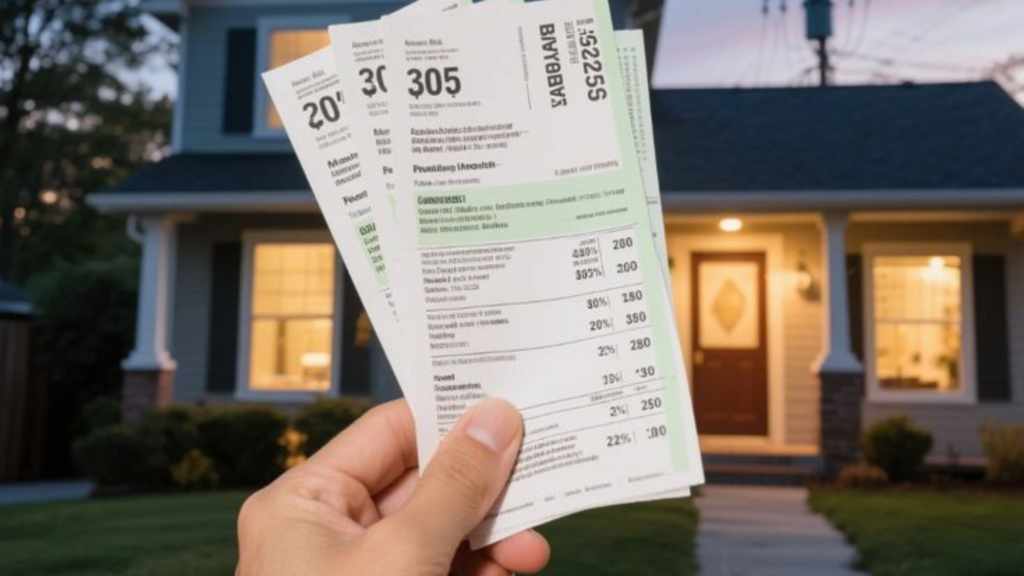
Many international students focus only on rent while overlooking additional utility expenses. These costs can significantly affect monthly budgets.
Utility bills may include electricity, water, gas, heating, internet services, and waste collection fees. Depending on the country and season, these expenses can vary considerably.
During winter months, heating costs may increase substantially in colder regions. Student life abroad, should account for seasonal fluctuations when planning their budgets.
Mobile phone plans and internet subscriptions are other recurring expenses that students often underestimate.
Understanding these hidden costs allows students to create more accurate financial plans and avoid budget shortfalls.
7.Health Insurance and Medical Expenses
Health insurance is often a mandatory requirement for international students. Many countries require proof of insurance before issuing student visas.
Health coverage helps students access medical care without facing excessive healthcare costs. The price of insurance varies depending on the country and coverage level.
Student life abroad, included in their insurance plans. In addition to insurance premiums, students should budget for occasional medical expenses such as prescriptions, dental care, or specialist consultations.
Proper healthcare planning provides peace of mind and protects students from unexpected financial burdens.

8. Budgeting and Financial Management Skills
One of the most valuable skills international students can develop is effective budgeting. Financial discipline plays a major role in ensuring a successful study-abroad experience.
Creating a monthly budget helps students track income and expenses. It provides a clear understanding of spending habits and identifies areas where savings are possible.
Many budgeting applications and digital tools make it easier to monitor expenses and manage finances in real time.
Setting spending limits for entertainment, shopping, and non-essential purchases helps prevent overspending.
Developing strong financial habits during student life can provide long-term benefits even after graduation.

9. Saving Money While Living Abroad
Living abroad does not necessarily mean spending excessively. Many students successfully reduce expenses through smart financial decisions.
Taking advantage of student discounts can lead to substantial savings on transportation, entertainment, software subscriptions, and various services.
Purchasing second-hand furniture, textbooks, and household items is another effective way to reduce costs without sacrificing quality.
Student life abroad, can also save money by sharing accommodation, cooking meals at home, and avoiding unnecessary impulse purchases.
Small daily savings may seem insignificant, but they can accumulate into substantial amounts over an academic year.

10. Preparing for Unexpected Expenses
No matter how carefully students budget, unexpected expenses can still arise. Being prepared for emergencies is an important part of financial planning.
Unexpected costs may include medical emergencies, travel expenses, laptop repairs, visa renewals, or accommodation-related issues.
Establishing an emergency fund before moving abroad provides financial security during difficult situations.
Students should aim to keep a portion of their savings untouched except for genuine emergencies. This financial cushion can reduce stress and prevent debt.
Preparation and flexibility are essential qualities that help students navigate unexpected challenges while studying abroad.

Conclusion
Studying abroad is a life-changing experience that offers countless opportunities for academic and personal growth. However, understanding accommodation options and monthly living expenses is essential for making the most of that experience. From choosing the right housing and managing food costs to budgeting effectively and preparing for emergencies, financial planning plays a crucial role in student success. By researching expenses in advance, developing smart spending habits, and making informed financial decisions, international students can enjoy their time abroad with greater confidence and stability. A well-planned budget not only reduces stress but also allows students to focus on achieving their educational goals and making unforgettable memories during their international journey.
Great content! Keep up the good work!
thanks
Pingback: Study Abroad in France: Complete Guide and 15 tips for International Students
This is a very informative and practical guide for students planning to study abroad. Understanding accommodation options and managing monthly expenses are essential for a successful international student experience. The budgeting tips and insights shared in this article can help students prepare better and avoid unnecessary financial stress. Thank you for providing such valuable information!