The Science of Getting Things Done Faster explores how productivity is influenced by the way the brain manages focus, energy, habits, and decision-making. Scientific research shows that working longer hours is not always the key to achieving more; instead, effective time management, deep focus, and smart work strategies lead to better results. By understanding how attention works and minimizing distractions, individuals can complete tasks more efficiently and with higher quality.
The article highlights the importance of energy management through proper sleep, nutrition, and exercise, as these factors directly affect cognitive performance. It also explains how motivation, habit formation, and prioritization help people maintain consistency and avoid procrastination. Small, positive routines can significantly improve productivity over time by reducing the mental effort required to start and complete tasks.
Additionally, the blog discusses the role of environment and technology in enhancing efficiency. A well-organized workspace, fewer distractions, and the strategic use of productivity tools can help individuals work smarter. Ultimately, the science of productivity demonstrates that sustainable success comes from building effective systems, maintaining focus, and continuously improving daily habits rather than relying solely on hard work or willpower.

1. Understanding Productivity Through the Lens of Science
misunderstood as working longer hours or pushing harder. Scientific research, however, suggests that productivity is more closely related to how effectively the brain manages attention, energy, and decision-making. People who consistently accomplish more are not necessarily working harder than others; they are often working smarter by leveraging cognitive principles.
The human brain operates with limited mental resources. Every task, decision, and distraction consumes cognitive energy. Neuroscientists have found that attention is a finite resource that becomes depleted over time. This explains why even highly motivated individuals experience mental fatigue after prolonged periods of focused work.
Research in psychology also shows that productivity depends heavily on habits and environmental design. Rather than relying solely on willpower, successful individuals create systems that reduce friction and make productive behavior easier to maintain. Small changes in routine can significantly improve performance over time.
Another scientific finding is that multitasking reduces efficiency. Studies consistently demonstrate that task-switching forces the brain to repeatedly refocus, increasing the time required to complete work. What feels like multitasking is often rapid switching between activities, which decreases overall productivity.
Understanding these scientific principles creates a strong foundation for improving personal and professional performance. Once people recognize how the brain processes work, they can apply evidence-based strategies to accomplish tasks faster and with less stress.
2. The Power of Focus and Deep Work
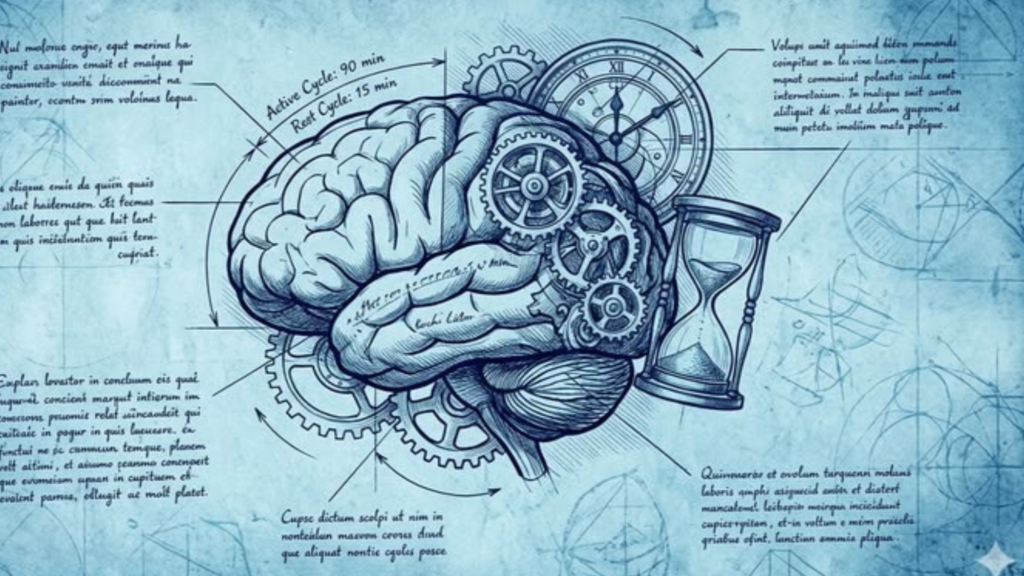
One of the most important discoveries in productivity science is the value of focused attention. Deep work refers to periods of uninterrupted concentration during which the brain operates at its highest capacity. During these moments, individuals can solve complex problems, learn new skills, and complete meaningful work more efficiently.
When people focus deeply, the brain enters a state often associated with flow. Flow occurs when a person becomes fully immersed in an activity, losing awareness of distractions and time. Researchers have found that flow states can significantly increase productivity and creativity.
Digital distractions are among the biggest threats to deep work. Notifications, emails, social media alerts, and instant messages constantly interrupt attention. Even brief interruptions can require several minutes for the brain to regain its previous level of concentration.
Creating a distraction-free environment supports deeper focus. This may involve turning off notifications, setting dedicated work hours, and using techniques such as time blocking. By protecting focused work sessions, individuals can complete tasks in a fraction of the time normally required.
The science is clear: sustained concentration is one of the fastest ways to improve productivity. Rather than attempting to do many things at once, focusing intensely on a single priority often produces better results.

3. How the Brain Manages Energy
Many people think productivity is a time-management problem, but research suggests it is often an energy-management problem. The brain consumes a significant amount of the body’s energy and performs best when physical and mental resources are adequately maintained.
Sleep plays a critical role in cognitive performance. During sleep, the brain consolidates memories, removes waste products, and restores neural connections. Lack of sleep reduces attention span, decision-making ability, and problem-solving skills.
Nutrition also influences productivity. The brain requires a steady supply of nutrients and glucose to function effectively. Diets rich in whole foods, healthy fats, and proteins support sustained mental performance better than highly processed foods.
Physical activity contributes to productivity by improving blood flow, oxygen delivery, and neurotransmitter balance. Exercise has been shown to enhance concentration, memory, and mood while reducing stress levels.
Individuals who understand the connection between energy and performance can structure their schedules around periods of peak mental alertness. By managing energy wisely, they can accomplish more work in less time.
4. The Psychology of Motivation
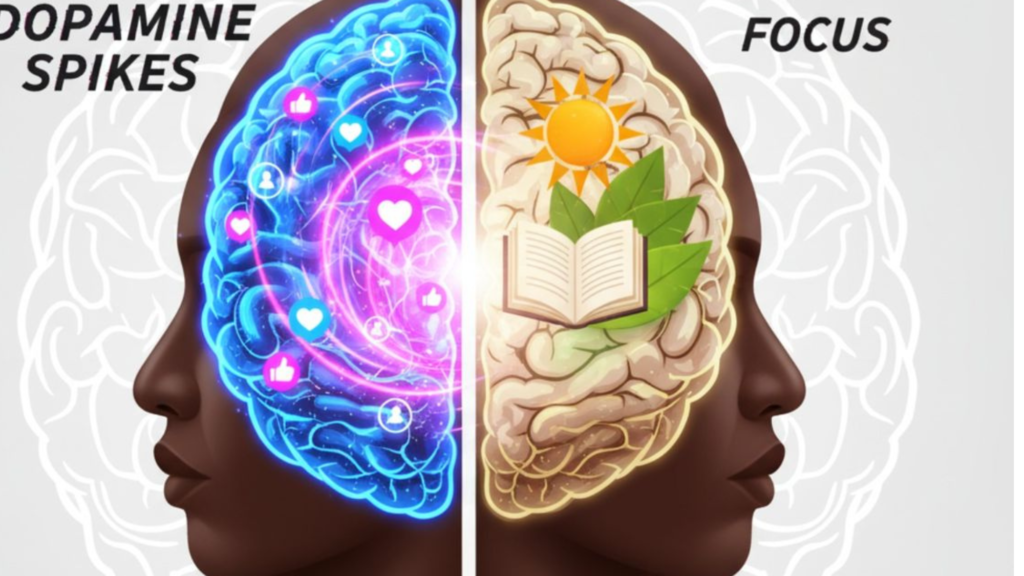
Motivation is a powerful driver of productivity, but it is often misunderstood. Scientific studies indicate that motivation is influenced by both internal and external factors. Understanding these factors helps people maintain momentum even when tasks become challenging.
Intrinsic motivation comes from personal satisfaction and enjoyment. When individuals find meaning in their work, they are more likely to remain engaged and persistent. This type of motivation tends to produce higher-quality results and long-term commitment.
Extrinsic motivation involves external rewards such as money, recognition, or promotions. While these incentives can be effective in certain situations, they may not sustain performance indefinitely. A balance between intrinsic and extrinsic motivation often yields the best outcomes.
Goal-setting theory demonstrates that clear and specific goals improve performance. Ambiguous objectives create uncertainty, while measurable targets provide direction and motivation. Breaking large goals into smaller milestones further increases the likelihood of success.
Motivation is not something people either have or lack. It can be cultivated through purposeful goal setting, meaningful work, and consistent progress tracking. Scientific insights into motivation help individuals stay productive over extended periods.
5. The Role of Habits in Faster Execution
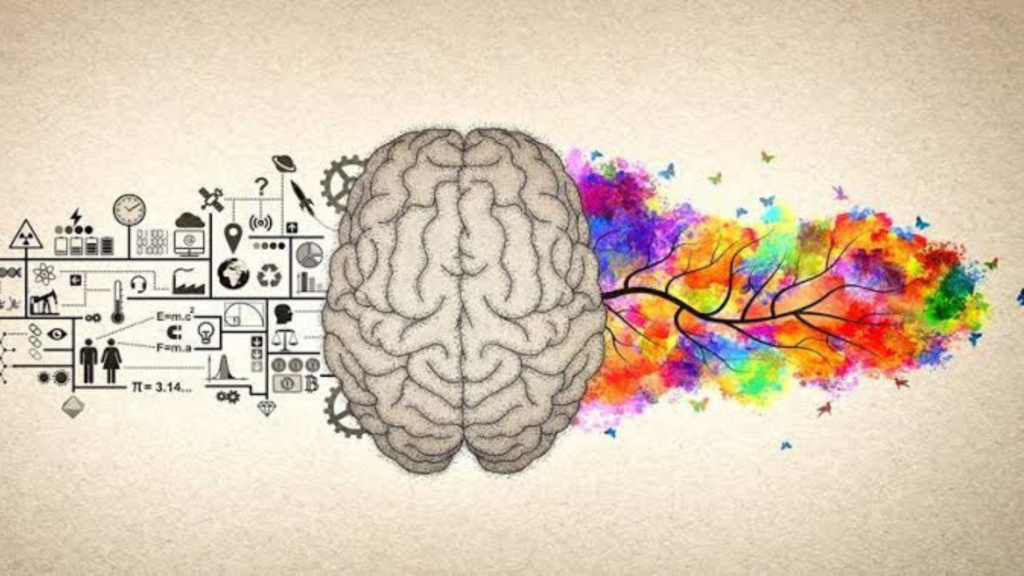
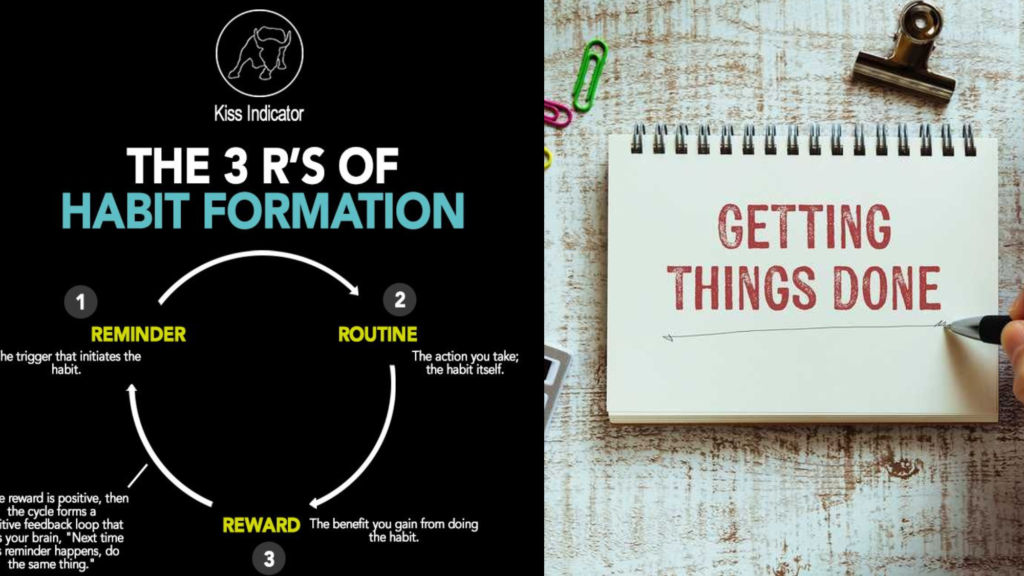
Habits are among the most powerful tools for increasing productivity. According to behavioral science, habits automate actions, reducing the need for conscious decision-making. This allows the brain to conserve energy for more important tasks.
Every habit follows a cycle consisting of a cue, routine, and reward. Understanding this loop enables individuals to build productive behaviors and eliminate counterproductive ones. Repetition strengthens neural pathways, making actions increasingly automatic.
Successful people often rely on routines rather than motivation alone. Morning rituals, structured work schedules, and consistent planning habits reduce uncertainty and create momentum throughout the day.
Research suggests that habit formation requires consistency more than intensity. Small actions repeated regularly are often more effective than ambitious efforts that cannot be maintained. Gradual improvement compounds over time, leading to significant productivity gains.
By developing productive habits, individuals reduce the mental effort required to start tasks. As a result, they can accomplish more work while experiencing less resistance and procrastination.
6. Why Prioritization Matters
Not all tasks contribute equally to success. Productivity science emphasizes the importance of prioritization because time and attention are limited resources. Focusing on high-impact activities leads to greater results with less effort.
The Pareto Principle suggests that approximately 80 percent of results come from 20 percent of actions. Identifying and focusing on these critical activities can dramatically improve efficiency and performance.
Decision fatigue is another reason prioritization matters. Every choice consumes mental energy, making it harder to focus on important work later in the day. Prioritizing tasks in advance reduces unnecessary decision-making.
Many productivity experts recommend completing the most important task first. This approach leverages peak mental energy and ensures meaningful progress before distractions arise.
Effective prioritization helps individuals avoid becoming busy without being productive. By directing effort toward the activities that matter most, they achieve better outcomes in less time.

7. Overcoming Procrastination Scientifically
Procrastination is not simply laziness. Psychological research reveals that it is often linked to emotional regulation, fear of failure, perfectionism, and task aversion. Understanding these underlying causes is essential for overcoming delays.
The brain tends to favor immediate rewards over long-term benefits. This phenomenon, known as temporal discounting, explains why people often choose short-term comfort instead of working toward future goals.
Breaking large tasks into smaller steps reduces psychological resistance. Small actions appear less intimidating and create a sense of progress, which encourages continued effort.
The five-minute rule is a scientifically supported strategy. By committing to work for just five minutes, individuals often overcome the initial barrier to action and continue working longer than expected.
Addressing procrastination requires more than discipline. By understanding the psychological mechanisms behind avoidance, individuals can implement strategies that make starting and completing tasks easier.

8. The Impact of Environment on Productivity
The environment significantly influences behavior and performance. Behavioral scientists have found that surroundings shape decisions more powerfully than many people realize.
A cluttered workspace can increase cognitive load and reduce focus. Visual distractions compete for attention, making it harder to concentrate on important tasks. Organized environments support clearer thinking and faster execution.
Lighting, temperature, and noise levels also affect productivity. Comfortable working conditions improve concentration and reduce mental fatigue. Even small environmental adjustments can produce noticeable performance improvements.
Digital environments matter as much as physical ones. Organizing files, minimizing distractions, and simplifying workflows help reduce unnecessary friction during work.
Designing environments that encourage productive behavior makes success easier. Rather than relying solely on willpower, individuals can create surroundings that naturally support focus and efficiency.

9. Leveraging Technology for Greater Efficiency
Technology has transformed the way people work. When used effectively, digital tools can automate repetitive tasks, streamline communication, and improve collaboration.
Project management platforms help individuals organize responsibilities and track progress. These systems reduce mental clutter by providing clear visibility into priorities and deadlines.
Automation tools eliminate repetitive work, allowing people to focus on higher-value activities. Tasks such as scheduling, data entry, and reporting can often be completed automatically.
Artificial intelligence is becoming an increasingly valuable productivity resource. AI-powered tools assist with research, writing, planning, and decision-making, helping users complete work more efficiently.
However, technology can also become a source of distraction. The key is intentional use. By leveraging technology strategically, individuals can significantly increase productivity while maintaining focus on meaningful work.

10. Building a Sustainable High-Performance System
Long-term productivity is not about occasional bursts of effort. Sustainable performance comes from creating systems that support consistent progress over time. Scientific evidence suggests that small improvements accumulated daily produce remarkable results.
A high-performance system includes clear goals, effective habits, focused work sessions, and regular recovery periods. These components work together to maximize productivity without causing burnout.
Reflection and measurement are essential. Tracking progress provides valuable feedback and helps identify areas for improvement. Individuals who regularly evaluate their performance are better positioned to optimize their routines.
Flexibility is equally important. Life circumstances change, and productive systems must adapt accordingly. Sustainable productivity involves continuous learning and adjustment rather than rigid adherence to a single method.
The science of getting things done faster ultimately comes down to understanding how the brain, habits, environment, and motivation interact. By applying evidence-based principles, individuals can work more efficiently, achieve meaningful goals, and maintain high performance over the long term.

Conclusion
Getting things done faster is not about working harder or longer—it is about working smarter. By understanding how the brain functions, prioritizing important tasks, minimizing distractions, and building effective habits, you can dramatically improve your productivity. The science of productivity shows that small, consistent changes in the way you work can lead to significant improvements in performance, helping you achieve your goals with less stress and greater efficiency.