
In today’s fast-paced world, clutter has become more than just a pile of unused items sitting in the corner of a room. It affects mental clarity, productivity, emotional well-being, and even relationships. Many people begin their decluttering journey with excitement and motivation, only to feel overwhelmed and stuck after a few days. The problem is not always a lack of effort — often, it’s the mistakes made during the process that prevent real progress.
Decluttering is not about creating a picture-perfect home overnight. It is about building a peaceful, functional environment that supports your lifestyle and reduces stress. However, certain habits and misconceptions can slow down the process and make it feel impossible to maintain. From emotional attachment to poor organization methods, these mistakes can keep your home and mind in constant chaos.
The good news is that once you identify these common decluttering mistakes, it becomes much easier to create lasting change. Understanding what is holding you back allows you to approach decluttering with a clearer mindset and better strategies. Instead of feeling frustrated, you can begin making steady progress that actually lasts.
In this blog, we will explore ten common decluttering mistakes that may be keeping you stuck. By avoiding these pitfalls, you can transform your space into a cleaner, calmer, and more organized environment that supports your daily life and personal growth.

1. Starting Without a Clear Plan
One of the biggest decluttering mistakes people make is jumping into the process without a clear goal or strategy. Many individuals start cleaning randomly, moving from room to room without knowing exactly what they want to achieve. This often leads to unfinished spaces, frustration, and burnout.
A successful decluttering journey begins with a plan. Decide which area you want to focus on first and set realistic goals. For example, instead of saying, “I want to organize the whole house,” focus on one drawer, shelf, or closet at a time. Smaller goals feel more manageable and help build momentum.
Having a plan also helps you stay motivated because you can track your progress. When you see completed areas, you feel encouraged to continue. Without direction, decluttering can quickly become overwhelming, causing many people to quit halfway through.
Creating a schedule can also make the process easier. Dedicate a specific amount of time each day or week to decluttering so it becomes a consistent habit rather than a stressful one-time task.
2. Holding Onto Items “Just in Case”
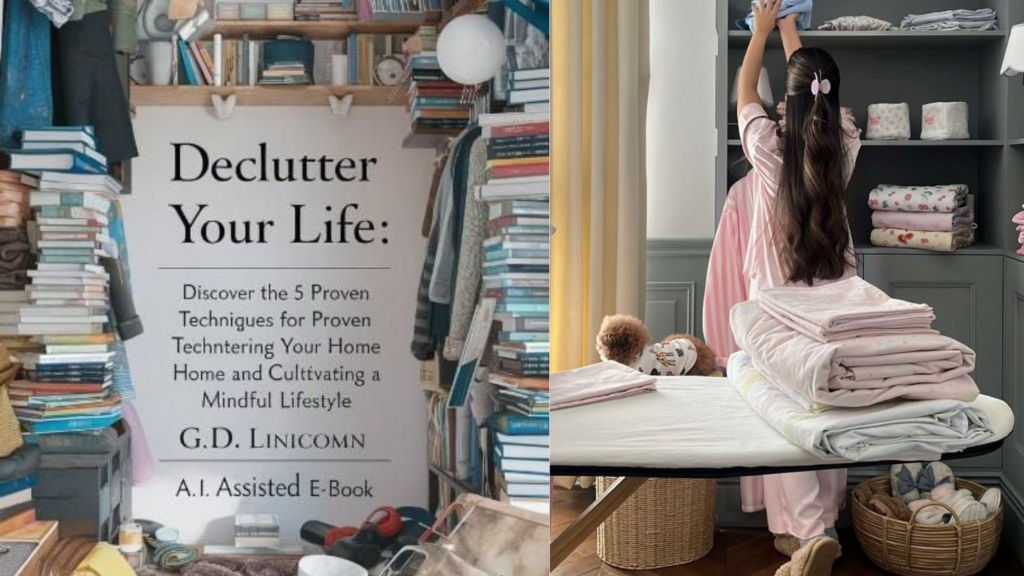
Many people keep unnecessary items because they believe they might need them someday. Old clothes, broken electronics, duplicate kitchen tools, and outdated paperwork often stay in homes for years because of the “just in case” mindset.
While it is reasonable to keep essential emergency items, holding onto everything creates unnecessary clutter. Most of these items are rarely used and only take up valuable space. In reality, if something has not been used in years, it is unlikely to become important in the future.
This habit is often driven by fear and uncertainty. People worry about wasting money or regret throwing something away. However, keeping clutter does not recover the money already spent. Instead, it creates stress and makes spaces feel crowded and disorganized.
A good rule is to ask yourself whether the item truly adds value to your life right now. If the answer is no, it may be time to donate, recycle, or discard it.

3. Decluttering Based on Emotions
Emotional attachment is one of the hardest obstacles during decluttering. Many items carry memories, making it difficult to let them go. Gifts, childhood belongings, souvenirs, and inherited possessions often become emotional clutter rather than practical necessities.
While memories are important, not every object needs to be kept to preserve them. Holding onto too many sentimental items can make your home feel heavy and overcrowded. It is important to understand that memories live in your mind and heart, not only in physical possessions.
One helpful strategy is to keep only the most meaningful items instead of entire collections. For example, you might save a few favorite photographs or treasured keepsakes rather than boxes filled with unused belongings.
Taking pictures of sentimental items before donating them can also help preserve memories while reducing physical clutter. This creates a balance between emotional value and practical living space.4. Trying to Declutter Everything at Once

Trying to Declutter Everything at Once
Many people become motivated and attempt to declutter their entire home in one day. While enthusiasm is helpful, this approach often leads to exhaustion and discouragement. Decluttering is a process, not a race.
When you try to tackle too much at once, decision fatigue quickly sets in. After making hundreds of choices about what to keep or remove, your brain becomes tired, making it harder to continue effectively.
Breaking the process into smaller sessions is far more sustainable. Focus on one category or one room at a time. Even spending 15 to 20 minutes daily can create significant results over time.
Slow and steady progress is more effective than intense cleaning sessions followed by long periods of inactivity. Consistency is the key to maintaining a clutter-free space.
5. Buying Storage Instead of Reducing Clutter
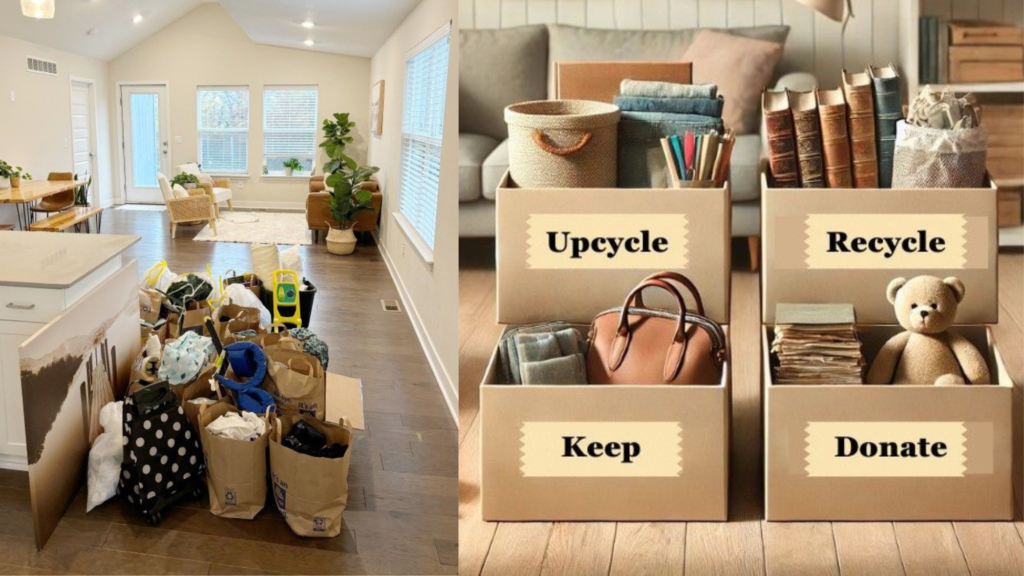
A common mistake is purchasing storage bins, shelves, and containers before actually decluttering. While organizing tools can be useful, they are not a solution to excess belongings.
Many people end up simply hiding clutter inside boxes and cabinets rather than removing unnecessary items. This creates the illusion of organization without solving the real problem.
Before buying storage products, focus on reducing the number of items you own. Once you know what truly needs to stay, you can organize it more efficiently.
Minimal possessions require less storage, less cleaning, and less maintenance. The goal should not be to find more space for clutter but to create more open and functional living areas.
6. Keeping Things Out of Guilt
Guilt is another major reason people struggle to declutter. Expensive purchases, unwanted gifts, inherited furniture, or unused hobby supplies often remain in homes because people feel bad getting rid of them.
However, keeping something you do not use does not honor its value. Instead, it continues to occupy physical and mental space. The money has already been spent, and holding onto the item will not change that.
It is important to recognize that your home should support your current lifestyle, not store reminders of past decisions or obligations. Letting go of items can actually feel freeing rather than wasteful.
Donating useful items to someone who truly needs them can also reduce guilt and give possessions a new purpose.

7. Ignoring Daily Habits
Even after a successful decluttering session, clutter can quickly return if daily habits do not change. Small behaviors such as leaving clothes on chairs, piling papers on counters, or constantly shopping can slowly recreate chaos.
Decluttering is not only about removing things; it is also about building better habits. Creating simple routines can make a huge difference in maintaining an organized home.
For example, returning items to their designated place after use prevents unnecessary mess from building up. Setting aside a few minutes each evening for a quick cleanup can also help maintain order.
Mindful shopping habits are equally important. Before purchasing something new, ask yourself whether you truly need it and where it will be stored.

8. Comparing Your Home to Others
Social media has created unrealistic expectations about organization and minimalism. Many people compare their homes to perfectly styled online spaces and feel discouraged when their own progress does not look the same.
Every home and lifestyle is different. Decluttering should focus on functionality and comfort rather than perfection. Trying to copy someone else’s aesthetic can lead to frustration and unrealistic standards.
Your goal should be to create a space that works for you and your family. A clean and peaceful home does not need to look like a magazine cover to be successful.
Celebrate small improvements instead of focusing on what is still unfinished. Progress matters more than perfection.
9. Not Letting Go of Duplicates
Duplicate items are one of the most common sources of hidden clutter. Extra kitchen utensils, multiple sets of bedsheets, duplicate beauty products, and repeated tools often pile up without notice.
While having backups can sometimes be useful, excessive duplicates create unnecessary storage problems. Most people only use a small portion of what they own regularly.
Reviewing duplicate items helps free up space and simplify daily routines. Keeping only what you genuinely use and need makes your home easier to organize and maintain.
Reducing duplicates can also save money because you become more aware of what you already have before making new purchases.

10. Expecting Instant Results
One of the biggest reasons people feel stuck is expecting immediate transformation. Decluttering is often portrayed as a quick makeover, but in reality, it takes time, patience, and consistent effort.
Years of accumulated belongings cannot realistically be sorted in a single weekend. Sustainable change happens gradually through regular habits and mindful decisions.
It is important to focus on progress rather than speed. Every small step — whether organizing a drawer or donating a bag of clothes — moves you closer to a calmer and more organized life.
Decluttering is not just about cleaning your home. It is about creating space for peace, clarity, and intentional living. Once you stop expecting perfection and embrace steady progress, the process becomes far less stressful and much more rewarding.
Conclusion
Decluttering can feel overwhelming when common mistakes keep slowing your progress. From emotional attachment to unrealistic expectations, these habits often create frustration and prevent lasting organization. However, by recognizing these challenges, you can approach decluttering in a healthier and more effective way.
The key to successful decluttering is not perfection but consistency. Small daily actions, mindful decisions, and realistic goals can create significant long-term results. Instead of trying to transform everything overnight, focus on building habits that support a simpler and more peaceful lifestyle.
A clutter-free space does more than improve appearance — it reduces stress, increases productivity, and creates a sense of calm. By avoiding these decluttering mistakes, you can finally move forward and create a home that truly supports your well-being and happiness.vv