
How to Remove Stains Naturally is a safe and cost-effective way to keep your clothes, carpets, furniture, and household surfaces clean. With simple ingredients like baking soda, vinegar, and lemon, you can remove common stains effectively while avoiding harsh chemicals.
Using natural cleaners like vinegar, baking soda, lemon juice, and salt can help remove stains effectively without exposing your family to harsh substances. These methods are not only eco-friendly but also gentle on clothes, furniture, and surfaces. Natural cleaning techniques have been used for generations because they work well and are easy to prepare.
In this blog, you will learn practical and effective ways to remove stains naturally from different surfaces and materials. From clothing to carpets and kitchen items, these natural methods can help keep your home fresh, clean, and chemical-free.

1. Why Choose Natural Stain Removal Methods?
Natural stain removal methods are becoming increasingly popular because they are safer for both people and the environment. Unlike chemical cleaners, natural ingredients do not release harmful fumes or leave behind toxic residues. This makes them ideal for homes with children, pets, or individuals with allergies and sensitive skin.
Another major advantage is cost-effectiveness. Most natural cleaning ingredients are inexpensive and already available in the kitchen. Vinegar, baking soda, and lemon juice can handle multiple cleaning tasks, reducing the need to buy several products. This saves money while keeping cleaning routines simple.
Natural stain removers are also environmentally friendly. They break down easily and do not pollute water systems like many chemical products do. By switching to natural cleaning solutions, households can reduce plastic waste and contribute to a healthier planet.
Lastly, natural methods are often gentler on fabrics and surfaces. Strong chemicals can fade colors or weaken materials over time, while natural ingredients clean effectively without causing damage.xx

2. Using Baking Soda for Tough Stains
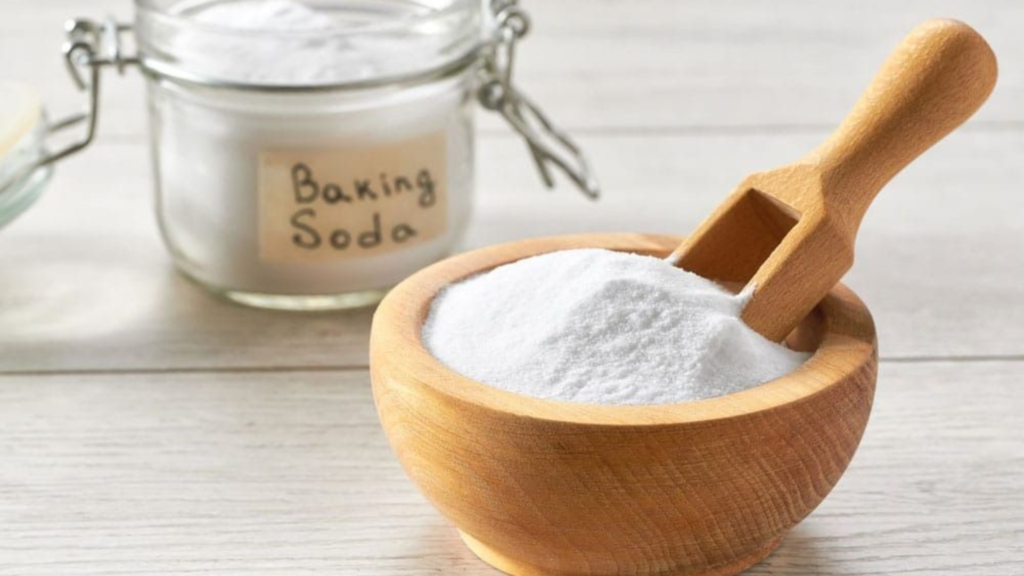
Baking soda is one of the most powerful natural cleaning ingredients. Its mild abrasive properties help lift dirt and stains without scratching surfaces. It also absorbs odors, making it useful for cleaning carpets, mattresses, and clothing.
To remove stains from clothes, mix baking soda with a small amount of water to create a paste. Apply it directly to the stained area and let it sit for about 15 minutes before washing. This method works especially well for sweat stains and food spills.
Baking soda is also excellent for kitchen cleaning. Sprinkle it on greasy stovetops or stained countertops, then scrub gently with a damp cloth. It can remove stubborn grease and leave surfaces fresh and clean.
For carpets and upholstery, sprinkle baking soda over the stained area and let it absorb moisture and odors. Vacuum thoroughly after a few hours. This simple method can refresh carpets naturally without expensive products.
3. Vinegar as a Natural Cleaning Solution
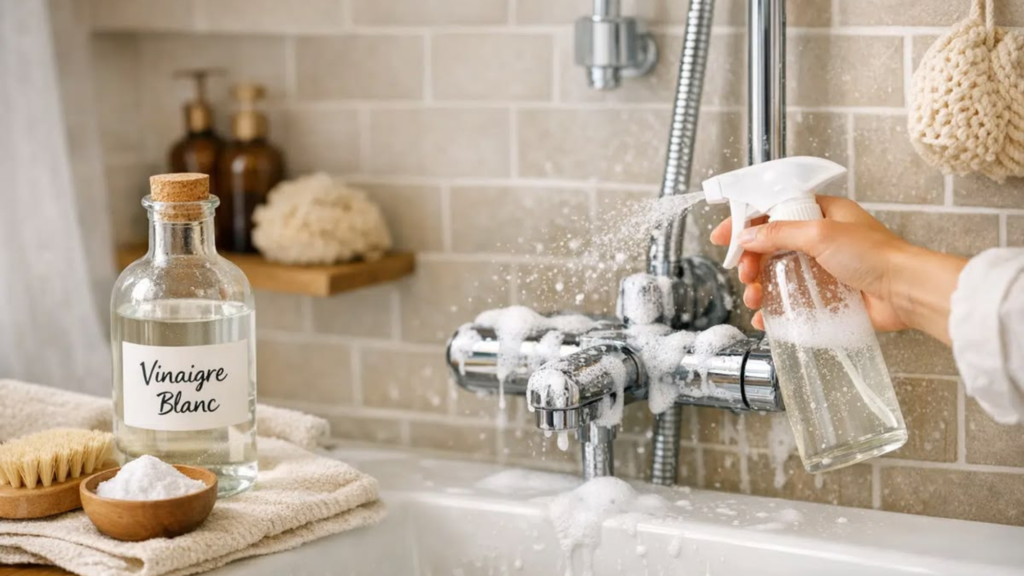
White vinegar is a versatile natural cleaner known for its stain-fighting properties. Its acidic nature helps break down grease, mineral deposits, and dirt. Vinegar can be used safely on many household surfaces and fabrics.
For clothing stains, mix equal parts vinegar and water and apply the solution to the affected area. Allow it to soak for several minutes before washing. Vinegar works particularly well on coffee, tea, and deodorant stains.
In the kitchen, vinegar can remove hard water stains and grease buildup. Spray diluted vinegar on sinks, faucets, and glass surfaces, then wipe clean with a cloth. It leaves surfaces shiny without harmful chemicals.
Vinegar is also effective for removing odors from fabrics and carpets. Adding one cup of vinegar during the laundry rinse cycle helps soften clothes naturally while eliminating unpleasant smells.
Although vinegar is powerful, it should not be used on delicate stones like marble or granite because the acidity may damage the surface over time.
4. Lemon Juice for Brightening and Cleaning
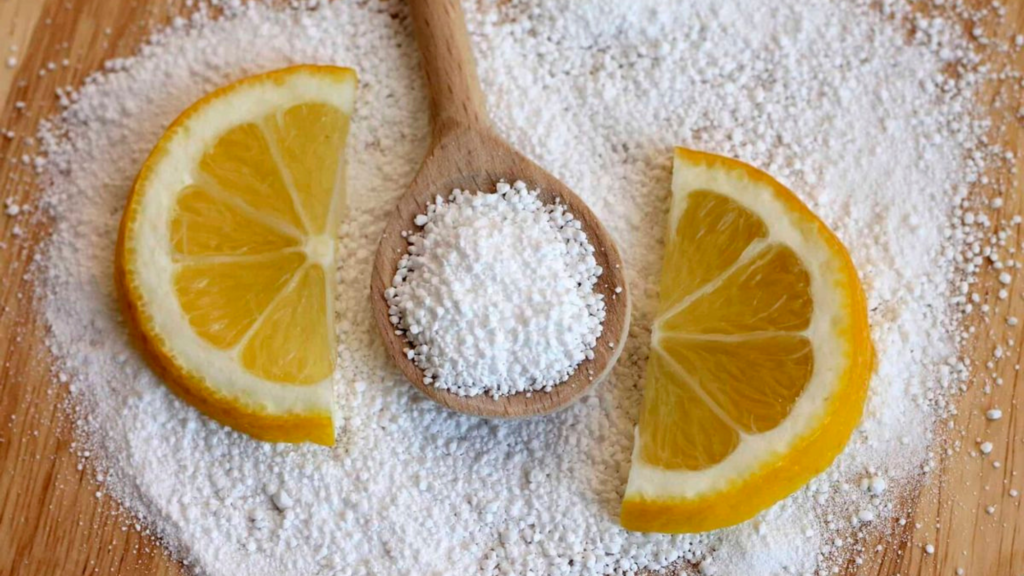
Lemon juice is another excellent natural stain remover due to its natural acidity and antibacterial properties. It is especially effective for whitening fabrics and removing yellow stains.
To clean stained white clothes, apply fresh lemon juice directly to the stain and place the fabric under sunlight for a few hours. The combination of lemon and sunlight naturally brightens the material and reduces discoloration.
Lemon juice can also remove cutting board stains and odors. Rub half a lemon over the surface and rinse with warm water. This method leaves the kitchen smelling fresh and clean.
For bathroom cleaning, lemon juice helps dissolve soap scum and water stains on faucets and tiles. Mixing lemon juice with baking soda creates a powerful paste for stubborn stains.
Additionally, lemon juice provides a pleasant natural fragrance, making it a popular alternative to artificial cleaning products filled with synthetic scents.
5. Removing Grease Stains Naturally
Grease stains are among the most difficult stains to remove, especially from clothing and kitchen surfaces. However, natural ingredients can break down grease effectively without harsh chemicals.
Cornstarch and baking soda are excellent for absorbing fresh grease stains. Sprinkle either ingredient directly onto the stain and let it sit for 15–20 minutes. The powder absorbs the oil, making the stain easier to wash away.
Dish soap made with natural ingredients can also help remove grease from fabrics. Apply a few drops to the stained area and gently rub before rinsing with warm water. Repeat if necessary for stubborn stains.
For kitchen surfaces, vinegar mixed with warm water helps cut through greasy residue. Wipe the surface with a microfiber cloth to restore shine and cleanliness.
Acting quickly is important when dealing with grease stains. The sooner the grease is treated, the easier it becomes to remove completely.

6. Natural Methods for Carpet Stain Removal
Carpets can easily collect stains from food, drinks, mud, and pets. Natural cleaning methods provide a safe way to clean carpets without exposing family members to toxic chemicals.
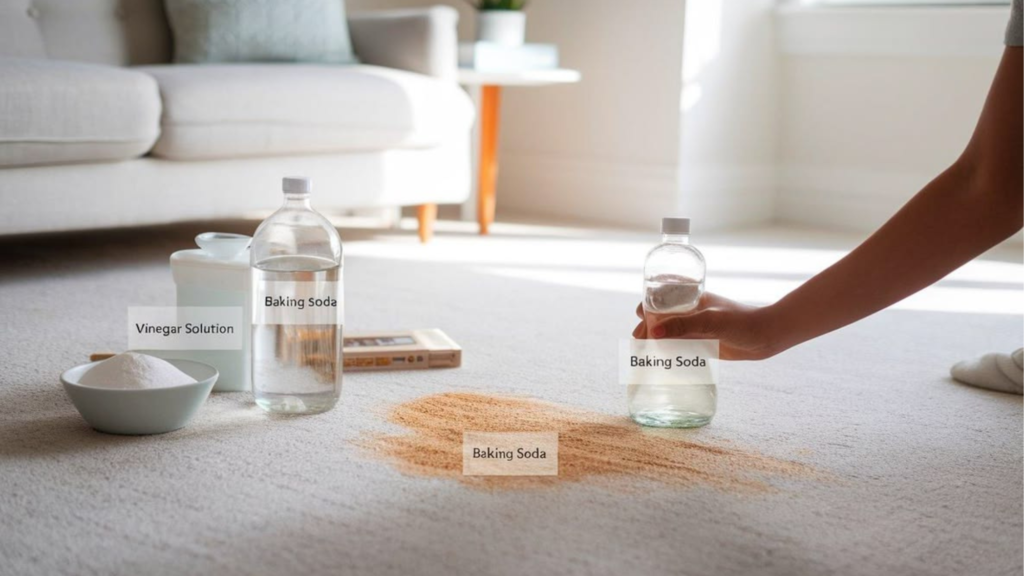
For liquid spills, blot the area immediately with a clean towel instead of rubbing. Rubbing spreads the stain deeper into the carpet fibers. After blotting, apply a mixture of vinegar and water to loosen the stain.
Baking soda is highly effective for removing odors and moisture from carpets. Sprinkle it generously over the stained area and leave it overnight before vacuuming thoroughly.
For tougher stains, combine baking soda and vinegar to create a fizzing reaction that lifts dirt from carpet fibers. Gently scrub with a soft brush and allow the carpet to dry naturally.
Regular natural carpet cleaning not only removes stains but also improves indoor air quality by reducing exposure to chemical residues.
7. Removing Laundry Stains with Household Ingredients
Laundry stains can come from sweat, food, ink, or mud. Instead of relying on expensive stain removers, many common household ingredients can restore clothes naturally.
Hydrogen peroxide is useful for whitening and stain removal on light-colored fabrics. Mix it with baking soda for treating stubborn stains like blood or sweat marks. Always test on a small area first to avoid discoloration.
Salt works well for fresh red wine stains. Sprinkle salt over the spill immediately to absorb the liquid before washing the fabric. This simple trick can prevent permanent staining.
For ink stains, rubbing alcohol or vinegar can help dissolve the ink. Dab the stain gently with a cloth soaked in the solution until the mark begins to fade.
Washing clothes in cold water after pretreatment often prevents stains from setting permanently. Heat can lock stains into fabric fibers, making them harder to remove later.
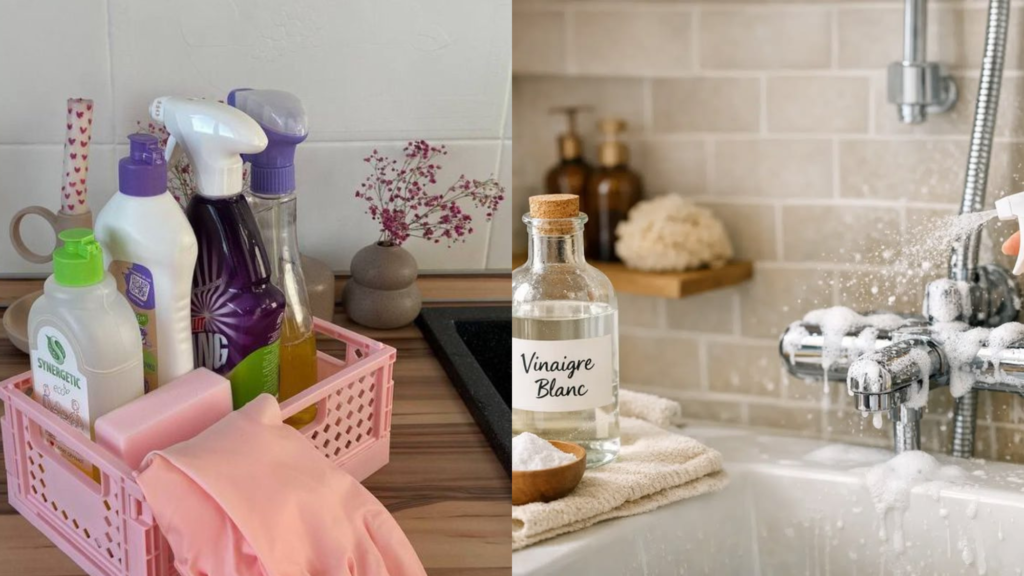
8. Natural Cleaning for Kitchen and Bathroom Surfaces
Kitchen and bathroom surfaces are constantly exposed to spills, soap residue, and stains. Natural cleaning solutions can keep these areas hygienic without harmful chemicals.
A mixture of vinegar and baking soda is highly effective for cleaning sinks, bathtubs, and tiles. The fizzing action loosens dirt and grime while naturally disinfecting surfaces.
Lemon juice can remove stains from cutting boards, countertops, and faucets while leaving a fresh scent behind. It also helps eliminate bacteria naturally.
For clogged drains, pour baking soda followed by vinegar into the drain. After a few minutes, rinse with hot water. This natural method helps break down buildup and reduce odors.
Using natural cleaners regularly can maintain cleanliness while protecting indoor air quality from harsh chemical fumes often found in commercial products.
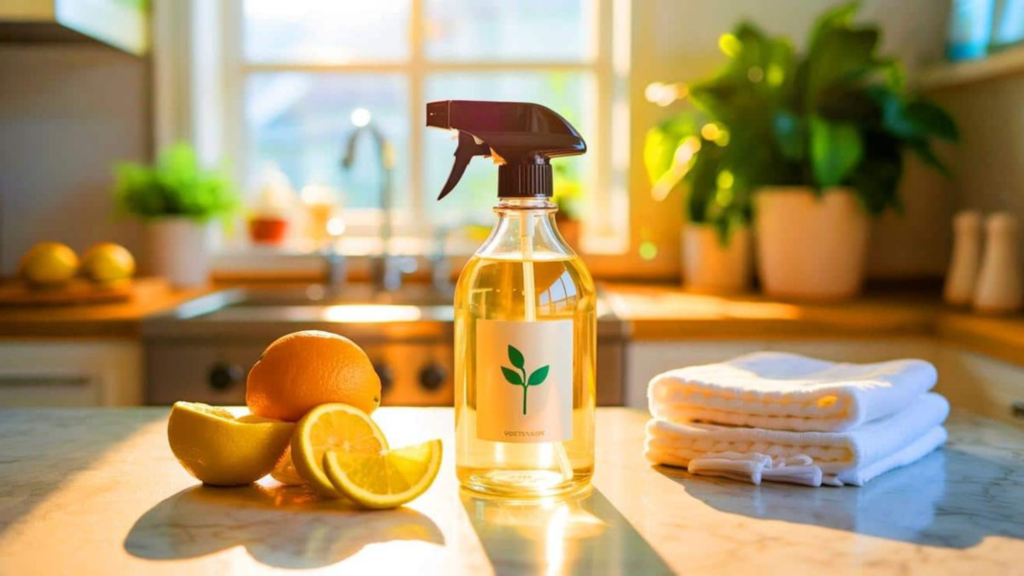
9. Tips to Prevent Stains Naturally
Preventing stains is often easier than removing them. Simple habits can help protect clothing, furniture, and household surfaces from damage.
Treat spills immediately before they dry or soak into fabrics. Quick action significantly increases the chances of complete stain removal. Keep natural cleaning ingredients nearby for fast treatment.
Using protective covers on furniture and carpets can reduce exposure to stains caused by food, drinks, or pets. Washable covers make cleaning easier and extend the life of furniture.
Separating clothes by color and fabric type during laundry can prevent color bleeding and accidental stains. Following proper washing instructions also helps maintain fabric quality.
Regular cleaning and maintenance prevent dirt buildup that can eventually turn into stubborn stains. Natural cleaning routines keep homes fresh while reducing the need for strong chemicals.
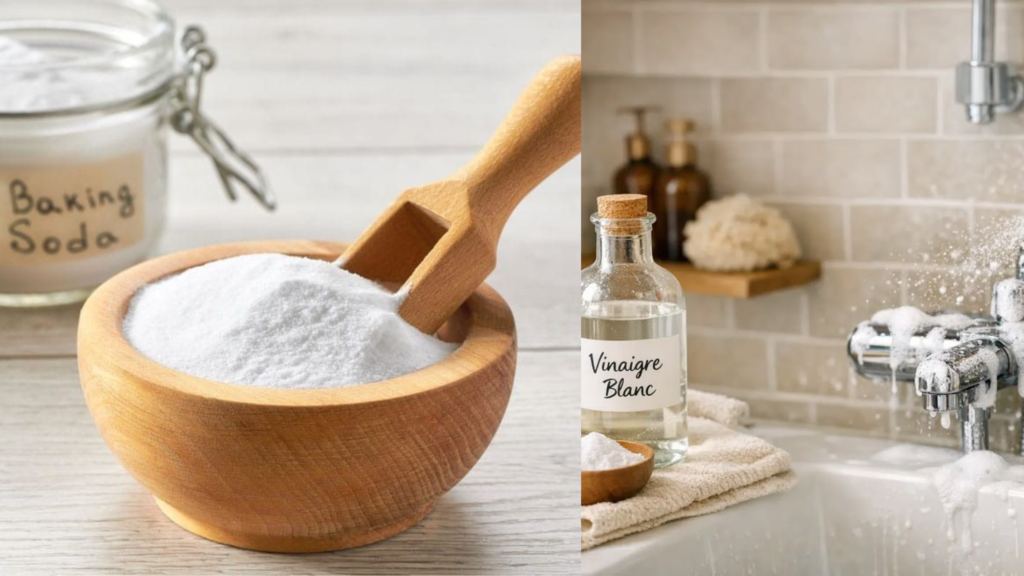
10. Benefits of Eco-Friendly Cleaning Practices
Eco-friendly cleaning practices offer long-term benefits for health, finances, and the environment. Natural stain removal methods reduce exposure to toxic substances that may affect breathing and skin health.
Families with children and pets especially benefit from safer cleaning solutions. Natural ingredients minimize the risk of accidental poisoning and allergic reactions caused by strong chemicals.
Environmentally friendly cleaning also helps reduce pollution. Chemical cleaners often enter water systems and harm aquatic life, while natural ingredients break down safely in nature.
In addition, natural cleaning supports a sustainable lifestyle. Reusing simple household ingredients for multiple purposes reduces waste and encourages responsible consumption habits.
Choosing natural stain removal methods is not only practical but also an important step toward creating a healthier and cleaner home environment.

Conclusion
Natural stain removal methods provide an effective, affordable, and eco-friendly alternative to chemical cleaners. Ingredients like baking soda, vinegar, lemon juice, and salt can tackle many common household stains while keeping homes safer and healthier. These methods are gentle on fabrics, easy to use, and suitable for everyday cleaning tasks.
By using natural cleaning solutions, people can save money, reduce environmental impact, and avoid exposure to harmful chemicals. Whether cleaning clothes, carpets, kitchens, or bathrooms, natural methods offer reliable results with minimal risk. Adopting these simple practices can help maintain a cleaner home while supporting a healthier lifestyle.