Organizing your life doesn’t have to be complicated. By using simple systems like daily planning, time blocking, and decluttering, you can bring structure and clarity to your routine. These systems help you manage your time better, stay focused on priorities, and reduce stress.
Consistency is the key to making these systems work. Small habits like maintaining a to-do list, setting goals, and reflecting regularly can create long-term improvements. When you follow these simple strategies, you not only become more productive but also feel more in control of your life.
15 Effective Tips to Organize Your Life
1. The Daily Planning System
Start each day with a simple plan. Write down your top 3 priorities so you stay focused on what truly matters instead of getting lost in small tasks.

2. The Weekly Reset System
Take 30–60 minutes every week to review your goals, clean your space, and plan ahead. This helps you start each week fresh and stress-free.

3. The To-Do List System
Keep a running to-do list for all tasks. Break big tasks into smaller steps so they feel manageable and easier to complete.

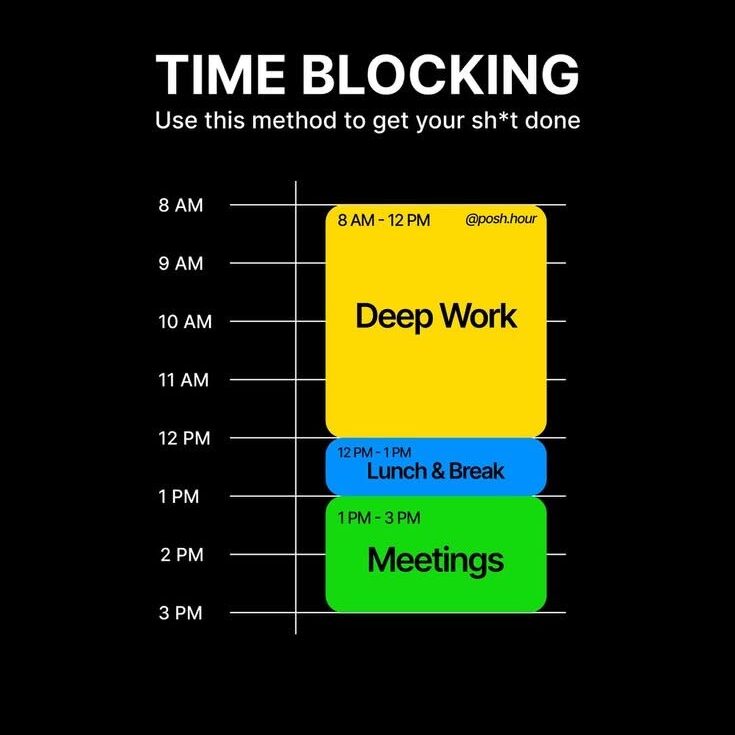
4. The blocking time system
Divide your day into time blocks for specific activities. This helps reduce distractions and ensures every important task gets dedicated time.
5. The Decluttering System
Remove unnecessary items from your environment regularly. A clean and organized space leads to a clearer and more focused mind.

6. The Digital Organization System
Organize your files, emails, and apps into folders. Delete unused items so your digital life stays clean and easy to navigate.

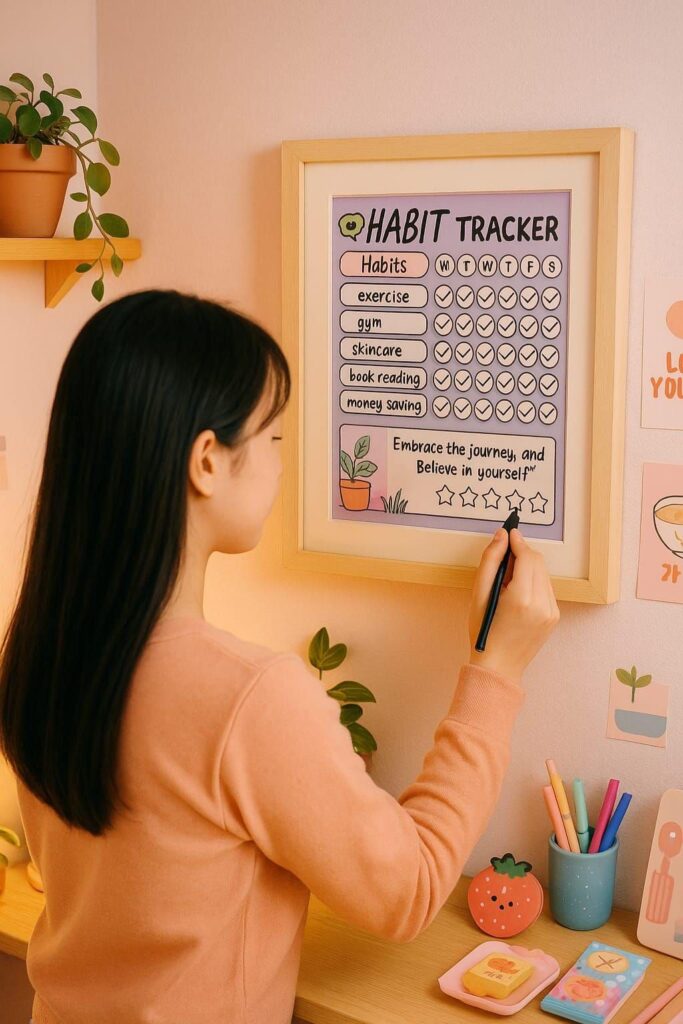
7. The Habit Tracking System
Track your daily habits like exercise, reading, or studying. Seeing your progress keeps you motivated and consistent.
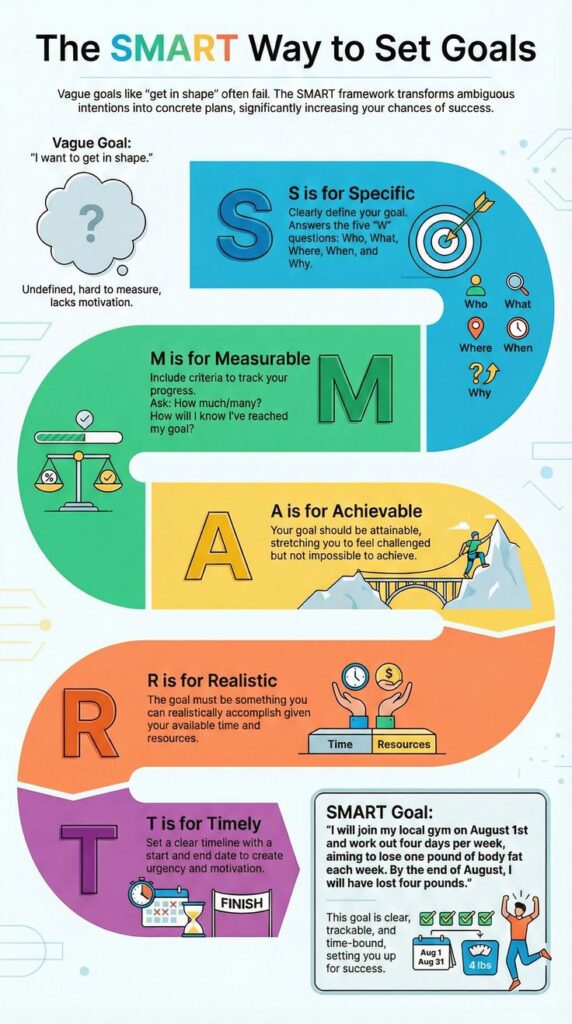
8. The Goal Setting System
Set clear short-term and long-term goals. Break them into actionable steps so you can track your progress and stay on course.
9. The Morning Routine System
Create a simple morning routine that energizes you. Starting your day with structure improves productivity and mindset.

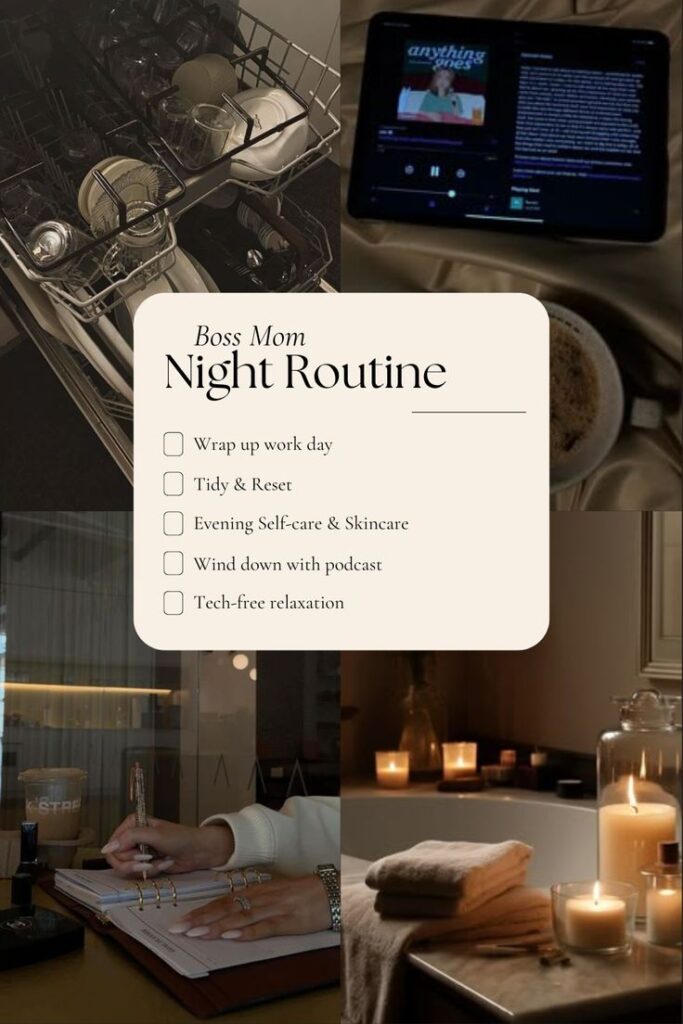
10. The Night Routine System
End your day with a calming routine. Reflect on what you achieved and prepare for the next day to reduce stress.
11. The Priority Matrix System
Divide tasks based on urgency and importance. Focus first on what truly matters instead of wasting time on low-value activities.

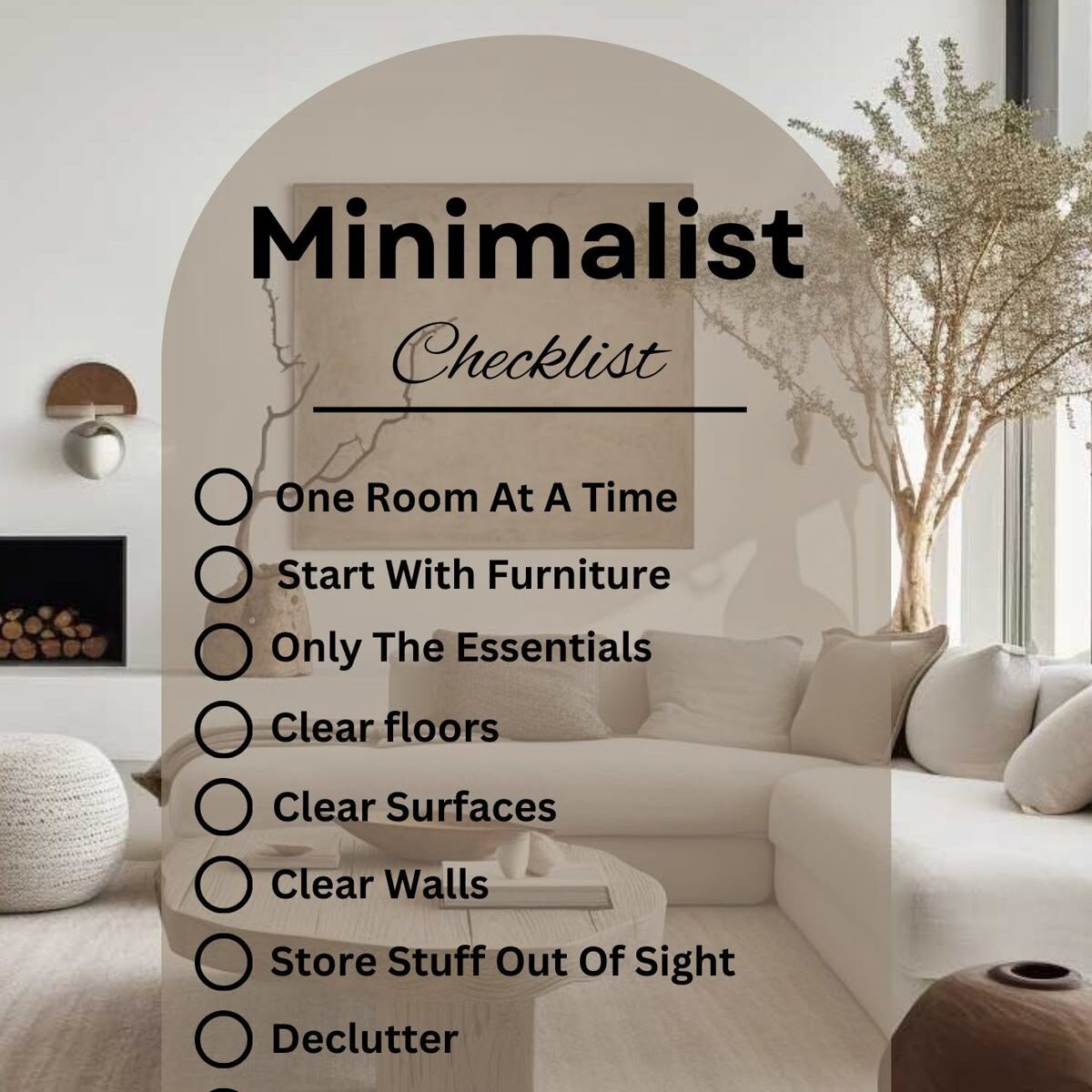
12. The Minimalism System
Adopt a “less is more” mindset. Keep only what adds value to your life to avoid clutter and confusion.
13. The Reminder System
Use alarms or apps to remind you of important tasks and deadlines. This prevents forgetfulness and keeps you accountable.

14. The File Management System
Organize your physical and digital documents into categories. Label everything clearly so you can find things quickly.

15. The Reflection System
Take time to reflect on your progress regularly. Learn from mistakes and adjust your systems to improve continuously.