
Discover 10 proven ways to stay motivated even on tough days. Learn practical tips to overcome setbacks, build positive habits, and keep moving toward your goals. How to Stay Motivated Even on Tough Days is a skill that helps you keep moving forward, even when life feels challenging. Small, consistent actions can make a big difference in maintaining your energy and focus. By developing positive habits and reminding yourself of your goals, setting your goals you can learn how to stay motivated even on tough days and continue making progress despite obstacles.
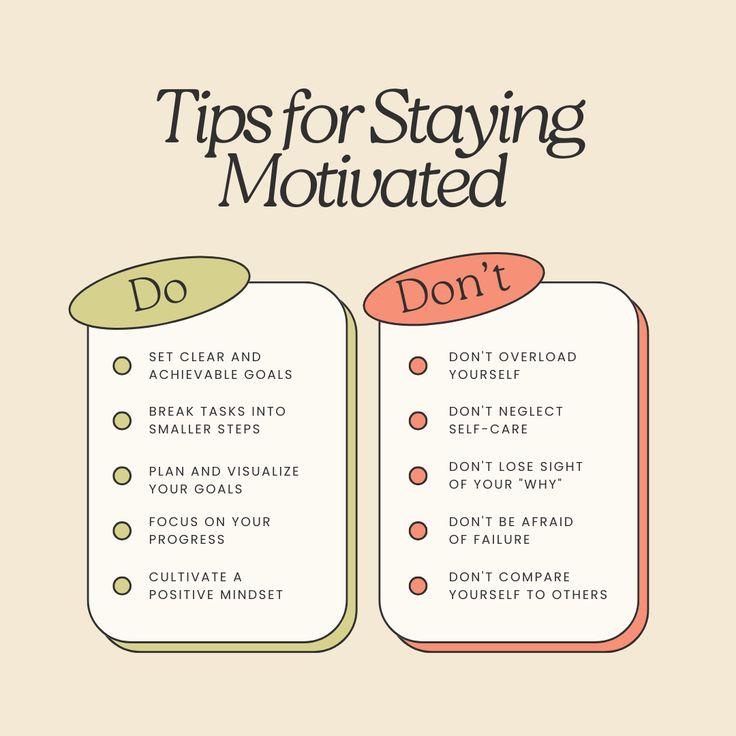
1. Remember Why You Started( How to Stay Motivated Even on Tough Days )
Whenever motivation begins to fade, take a moment to remind yourself why you started your journey in the first place. Every goal has a deeper purpose like How to Stay Motivated Even on Tough Days, whether it’s improving your health, building a successful career, saving money, or creating a better future for your family.
Your “why” becomes your source of strength during difficult times. Instead of focusing on temporary obstacles, think about the long-term rewards waiting for you. This simple shift in perspective can reignite your determination.
Write your biggest reason on a sticky note, in your journal, or as your phone wallpaper. Seeing it every day helps you stay connected to your purpose and reminds you that today’s struggles are only temporary.

2. Break Big Goals into Small Tasks
Large goals like How to Stay Motivated Even on Tough Days often feel overwhelming, causing procrastination and self-doubt. Instead of focusing on everything you need to accomplish, divide your goal into smaller, manageable steps.
For example, if your goal is to start a successful blog, don’t think about publishing hundreds of articles. Focus on writing one outline today, editing one article tomorrow, and publishing one quality post this week.
Completing small tasks creates a sense of achievement. Each completed step builds confidence and motivates you to keep moving forward, making even the biggest goals feel achievable.
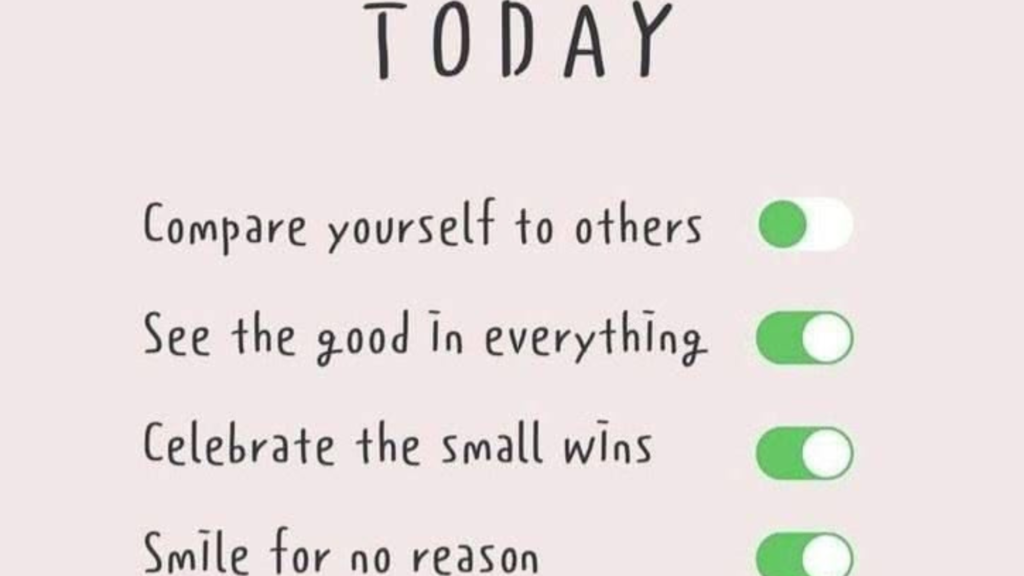
3. Focus on Progress, Not Perfection
Perfectionism is one of the biggest motivation killers. Waiting for the perfect moment, perfect plan, or perfect result often leads to inaction will help you How to Stay Motivated Even on Tough Days.
Instead, aim for consistent progress. Even if today’s work isn’t perfect, it’s still moving you closer to your goal. Every successful person has made mistakes, learned from them, and continued improving.
Celebrate small wins along the way. Progress builds confidence, while perfection creates unnecessary pressure that often prevents people from taking action.

4. Create a Daily Routine
Motivation comes and goes, but routines keep you productive even when you don’t feel inspired. Having a consistent daily schedule removes the need to rely on your emotions before taking action.
Start your mornings with positive habits such as exercising, reading, planning your day, or practicing gratitude. These activities prepare your mind for success and help create momentum.
Over time, your routine becomes automatic. Instead of asking yourself whether you feel motivated, you’ll naturally begin working because it’s simply part of your daily habit.

5. Surround Yourself with Positive People
The people around you have a powerful influence on your mindset. Spending time with positive, supportive individuals can inspire you to keep working toward your goals, even during difficult times.
Avoid constantly listening to negative opinions or comparing yourself to others. Instead, seek mentors, supportive friends, or online communities that encourage personal growth and celebrate progress.
Positive environments create positive thinking will helps you How to Stay Motivated Even on Tough Days. When you’re surrounded by people who believe in improvement and hard work, staying motivated becomes much easier.

6. Take Care of Your Physical and Mental Health
Your motivation is closely connected to your physical and mental well-being. When you’re sleep-deprived, stressed, or eating unhealthy foods, it’s much harder to stay focused and productive. On the other hand, taking care of yourself gives you the energy needed to tackle challenges with confidence.
Start by making small improvements to your daily routine. Aim for seven to eight hours of quality sleep, drink plenty of water, eat nutritious meals, and include some form of physical activity in your day. Even a 20-minute walk can improve your mood and increase your energy levels.
Mental health deserves equal attention. If you’re feeling overwhelmed, take a short break, practice deep breathing, meditate, or spend a few minutes doing something you enjoy. Giving your mind time to recharge can help you How to Stay Motivated Even on Tough Days and return to your tasks with a fresh perspective.
Remember, self-care is not a luxury—it’s a necessity. When you prioritize your health, you’ll naturally feel more motivated, focused, and ready to overcome difficult days.

7. Learn from Setbacks Instead of Giving Up
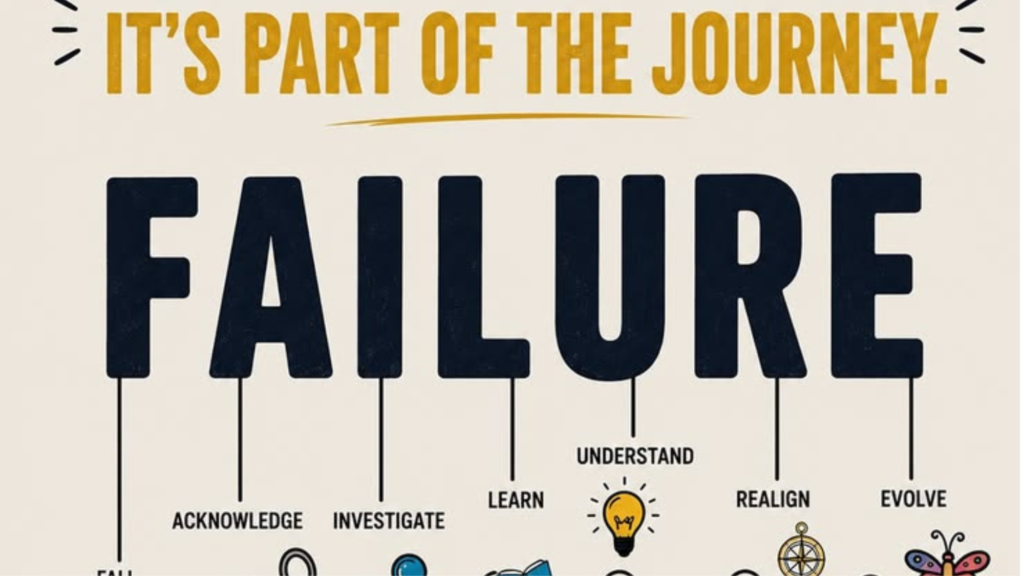
Every successful person has experienced failure. The difference is that they don’t let setbacks define them. Instead, they treat every mistake as an opportunity to learn, improve, and grow stronger.
When something doesn’t go as planned, avoid criticizing yourself. Ask constructive questions like, “What can I learn from this experience?” or “What can I do differently next time?” This mindset transforms obstacles into valuable lessons.
Failure is often part of the journey toward success. Each challenge teaches you new skills, builds resilience, and prepares you for future opportunities. The only true failure is giving up completelyvibes of How to Stay Motivated Even on Tough Days.
Keep moving forward, even if your progress feels slow. Every setback you overcome makes you more confident and better equipped to achieve your goals.
8. Reward Yourself for Small Achievements
Staying motivated becomes much easier when you celebrate your progress. Many people wait until they reach a huge milestone before rewarding themselves, but recognizing small victories keeps your enthusiasm alive throughout the journey.
Your rewards don’t need to be expensive. After completing an important task, you might enjoy your favorite coffee, watch an episode of a TV show, take a relaxing walk, or spend time doing a hobby you love. This will tell you How to Stay Motivated Even on Tough Days.
These small celebrations create positive associations with hard work. Your brain begins to connect productivity with enjoyable experiences, making it easier to stay consistent over time.
Remember that success is built one step at a time. Appreciating your small achievements helps maintain momentum and reminds you that every effort counts.

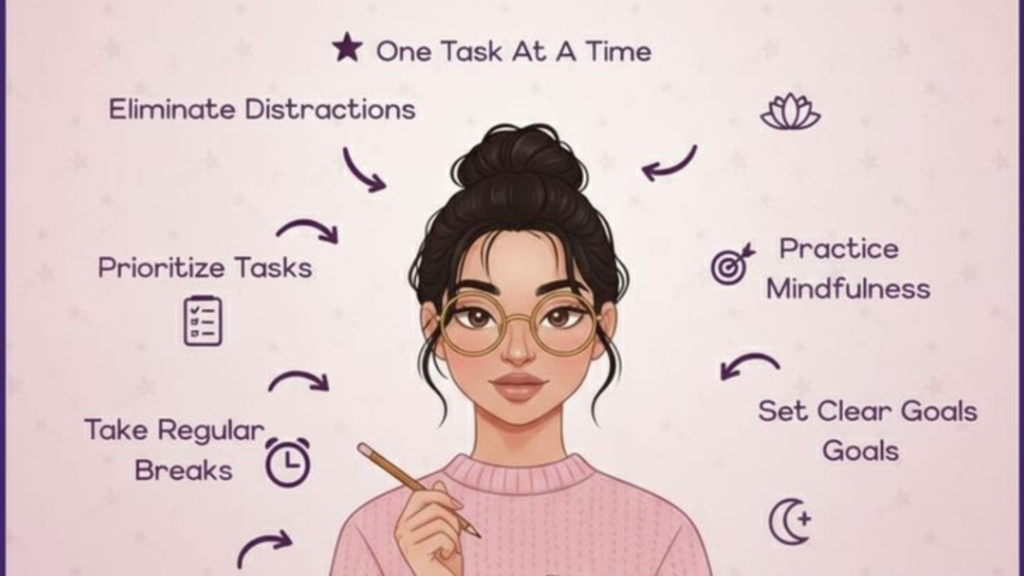
9. Limit Distractions and Stay Focused
Modern life is full of distractions. Social media notifications, endless scrolling, emails, and unnecessary interruptions can quickly destroy your motivation and productivity. Learning to manage these distractions is essential for staying focused.
Create a workspace that encourages concentration. Put your phone on silent, close unnecessary browser tabs, and schedule dedicated periods for focused work. Techniques like the Pomodoro Method, where you work for 25 minutes followed by a short break, can help maintain your attention.
How to Stay Motivated Even on Tough Days will also helpful to identify your biggest distractions. Once you know what’s pulling your attention away, you can take practical steps to reduce its impact. Even small adjustments can make a significant difference.
By protecting your focus, you’ll complete more work in less time, feel a greater sense of accomplishment, and stay motivated to continue making progress.
10. Believe in Yourself and Never Stop Growing
One of the most powerful sources of motivation is self-belief. If you constantly doubt your abilities, even small challenges can seem impossible. But when you believe that you can learn, improve, and adapt, every obstacle becomes an opportunity for growth.
Building confidence takes time, but it starts with positive self-talk. Replace thoughts like “I can’t do this” with “I can learn how to do this.” Your mindset has a huge impact on your actions and your willingness to keep trying.

Final Thoughts
Staying motivated is not about feeling inspired every single day—it’s about building the right habits that keep you moving even when motivation is low. Tough days are inevitable, but they don’t have to stop your progress or define your journey.
When you learn to reconnect with your purpose, break big goals into small actions, take care of your health, and focus on consistent progress, motivation becomes much more stable and reliable. Over time, discipline starts to replace emotional ups and downs.
The most important thing to remember is that success is built through persistence, not perfection. Even on your hardest days, doing something small toward your goal is still progress. Keep showing up, stay patient with yourself, and trust the process—you’re moving forward more than you think.

Pingback: 10 amazing Fashion Tips 2026 to Stay Stylish and On-Trend
Pingback: 10 Simple Goal Setting Techniques for Long-Term Success: Achieve Your Dreams
Pingback: Distraction-Free Workspace: 10 Proven Tips to Improve Focus and Productivity