
The Kitchen Lighting Mistake I Wish I Had Avoided
I used to think that decorating a kitchen was all about choosing beautiful cabinets, finding the perfect countertop, and adding a few cute accessories. I spent hours saving kitchen inspiration pictures on Pinterest, imagining how lovely my kitchen would look once everything came together.
But somehow, I forgot one little detail that made a much bigger difference than I expected: Kitchen Island Lighting Ideas
When I finally finished decorating, my kitchen looked beautiful during the day. The countertops were clean, the cabinets looked lovely, and my kitchen island seemed like the perfect place to enjoy my morning coffee. But when evening arrived, something felt wrong. The island looked dark, the lighting felt harsh, and the whole space lacked the warm, welcoming atmosphere I had imagined.
At first, I thought I needed new decorations. Maybe a vase of flowers? Perhaps some pretty stools? But after trying different little changes, I finally realized that my biggest mistake was the lighting.
That experience taught me something important: the right kitchen island lighting can completely change how a kitchen looks, feels, and functions.
So, if you are planning to decorate your kitchen or update your existing space, I want to share the kitchen island lighting ideas I wish I had discovered earlier.
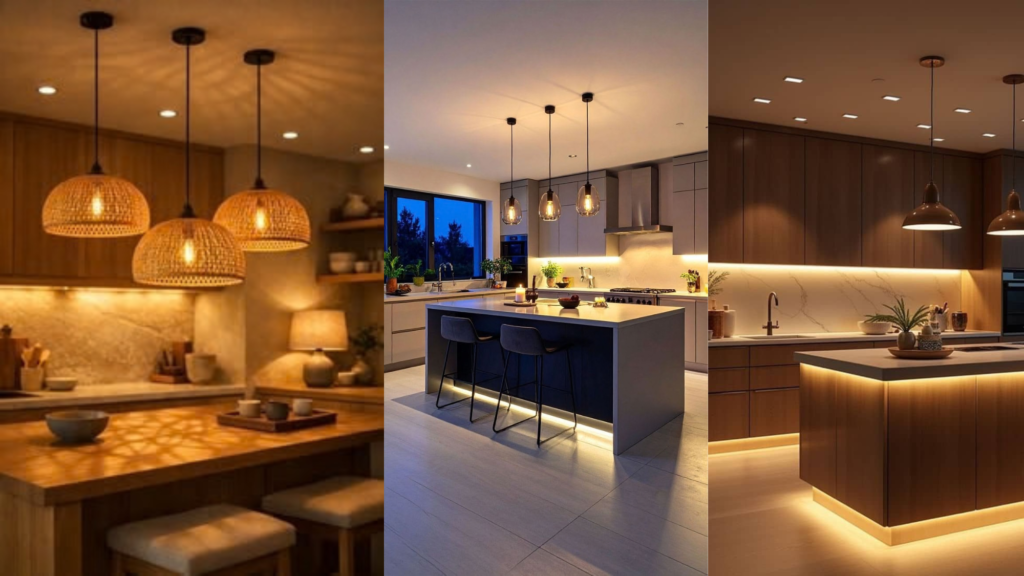
1. Pendant Lights: The Beautiful Detail I Overlooked
After realizing that my kitchen lighting was not working, I started researching different styles. That was when I discovered pendant lights.
I had seen them in countless kitchen pictures, but I never truly understood how much difference they could make. Pendant lights hang above the island, providing focused illumination while adding personality to the entire room.
What I love most about them is that they come in so many styles. Glass pendants can create an airy, elegant look, while black metal fixtures add a modern touch. If you prefer a softer, more natural kitchen, woven or wooden pendants can make the space feel warm and relaxed.
If I could redesign my kitchen from the beginning, I would choose pendant lights that complement my cabinets and countertop rather than selecting a fixture simply because it looks trendy.
My lesson: Choose lighting that works with your kitchen’s overall style, not just something that looks beautiful in a photograph.
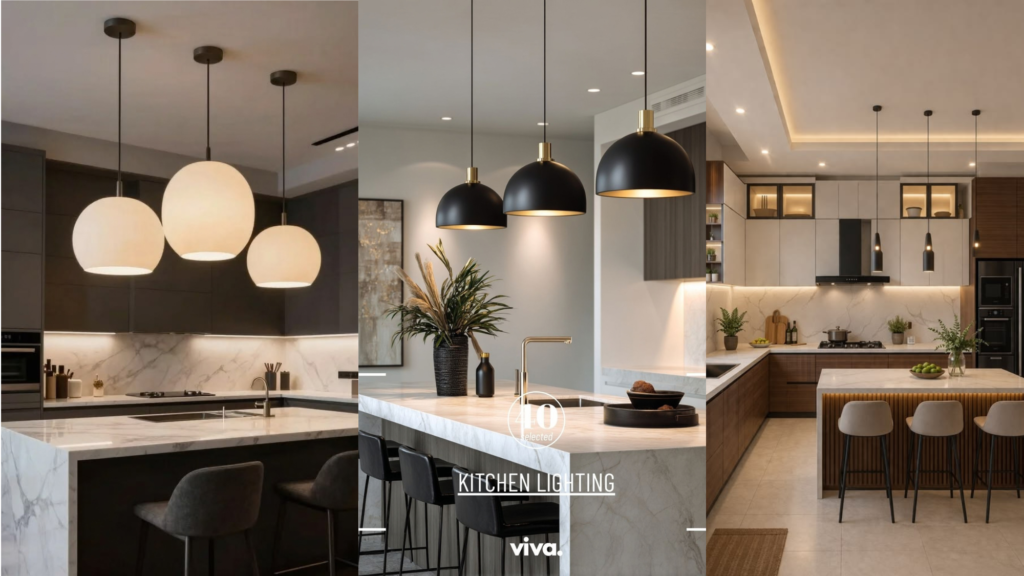
2. Warm Lighting: The Secret to a Cozy Kitchen
One evening, I sat at my kitchen island with a cup of tea and realized that my kitchen felt more like a workspace than a place where I wanted to relax. The overhead lighting was bright, but it lacked warmth.
That was when I started paying attention to the color of the light.
Warm-white lighting can make a kitchen feel more comfortable and inviting, especially during the evening. It creates a lovely atmosphere for casual dinners, late-night conversations, or enjoying breakfast before a busy day.
For a cozy look, I would consider warm-white bulbs around 2700K to 3000K, depending on the rest of the kitchen lighting. The goal is to make the island feel welcoming without making food preparation difficult.
Of course, you still need enough brightness to chop vegetables, read recipes, and clean your countertop safely.
My lesson: Beautiful lighting is not only about appearance. It should also make you feel comfortable in your own kitchen.
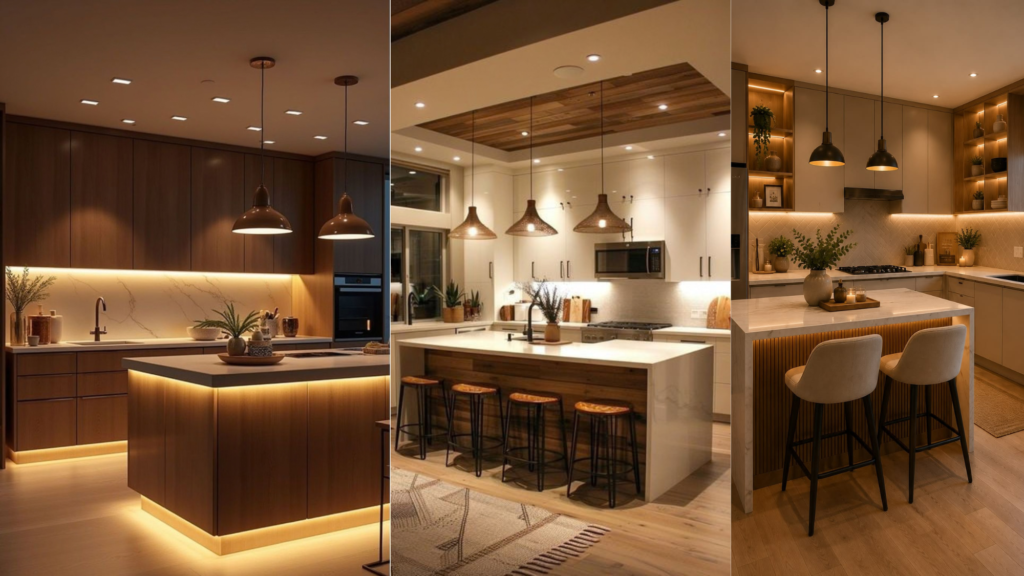
3. Three Pendant Lights: A Simple Way to Create Balance
I used to believe that one beautiful light fixture would be enough to make my kitchen island stand out. However, I soon learned that the size and arrangement of the lighting matter just as much as the fixture itself.
For a medium or large kitchen island, three pendant lights arranged evenly can create a balanced, designer-inspired look. They distribute light across the countertop and make the island feel like a deliberate centerpiece.
However, three lights are not a rule for every kitchen. A smaller island might look better with two pendants, while a large island may benefit from a linear fixture that stretches across its length.
If you choose multiple pendants, pay attention to their size, spacing, and hanging height. They should illuminate the work surface without blocking your view across the kitchen.
My lesson: Before buying kitchen island lights, measure the island and plan the arrangement. Guessing can leave the space looking crowded or uneven.
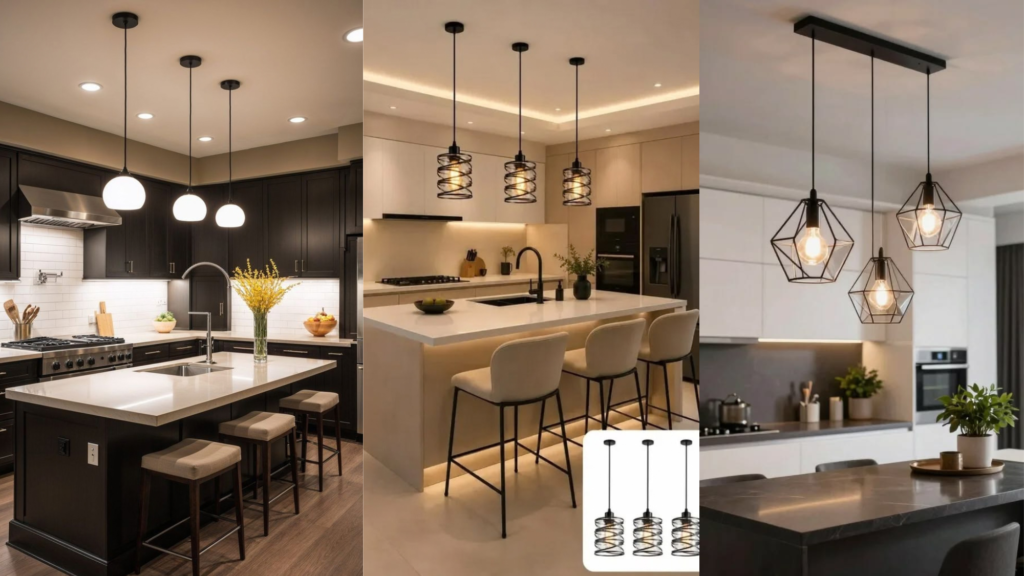
4. Modern Black Lighting: The Style I Almost Didn’t Try
When I first explored kitchen lighting, I thought neutral colors were always the safest choice. I worried that black fixtures might look too bold or make my kitchen feel smaller.
But then I started noticing how beautifully black pendant lights looked against white cabinets, light countertops, and natural wood finishes.
Black kitchen island lighting can create a striking contrast without requiring a complete kitchen makeover. It works especially well in modern, farmhouse, and industrial-inspired interiors.
If your kitchen already contains black cabinet handles, dark bar stools, or other black accents, matching the lighting to those details can help the room feel coordinated.
Still, I learned not to choose a fixture just because it looks fashionable. Its size, finish, and shape should complement the space rather than compete with everything else.
My lesson: Sometimes, one carefully chosen statement piece can make a bigger impact than buying lots of new decorations.
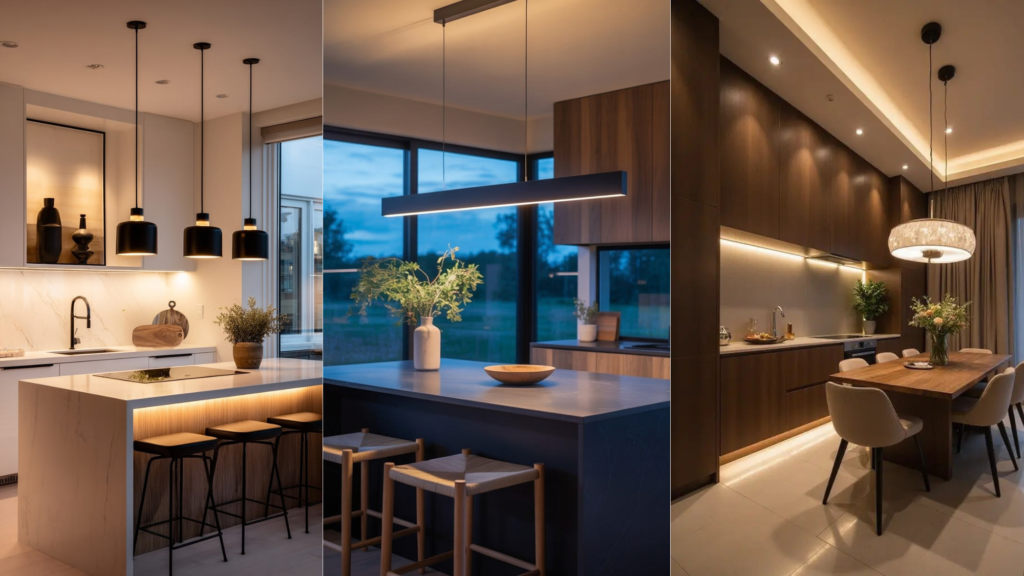
5. Glass Pendant Lights: For a Kitchen That Feels Open
One thing I always wanted was a kitchen that felt bright and spacious. I didn’t want the lighting to make the room feel visually crowded.
Glass pendant lights are a lovely option when you want your fixtures to feel lighter and less visually heavy. Clear glass can work beautifully in small kitchens, especially when you want to preserve sightlines between the kitchen and living area.
I particularly like the idea of pairing clear glass pendants with light countertops, simple cabinets, and a few natural textures. The result can feel timeless without being boring.
There is one thing I would consider before choosing this style, though: glass can show fingerprints and dust, so it may need regular cleaning to stay beautiful.
My lesson: Think about everyday maintenance as well as appearance. A practical design is one you can enjoy without creating extra work for yourself.
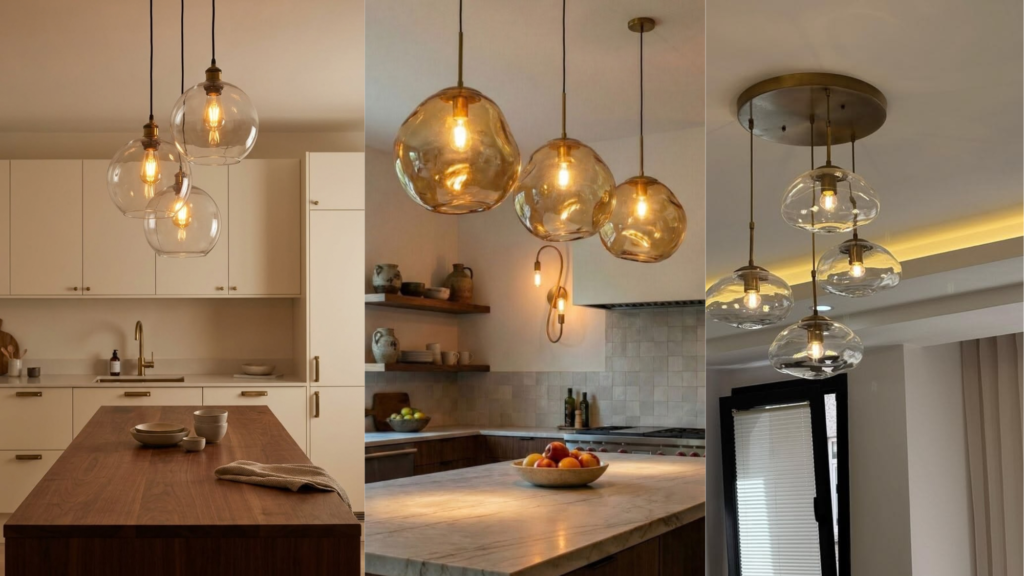
6. Oversized Pendant Lights: When One Statement Is Enough
Not every kitchen island needs several small lights. Sometimes, one larger pendant or a carefully selected linear fixture can create a more elegant look.
I learned that oversized lighting can work particularly well when the island is large enough to support the scale of the fixture. A sculptural pendant can become the focal point of the kitchen, especially when the surrounding decor is simple.
However, I would never buy an oversized light without checking its dimensions first. A fixture that looks impressive in a showroom can overwhelm a small island or interfere with the view across the room.
If you love bold interior design, this is an idea worth exploring. Keep the other decorations relatively simple so the light has room to stand out.
My lesson: Make a statement with intention. Bigger is not always better; proportion is what makes a design look right.
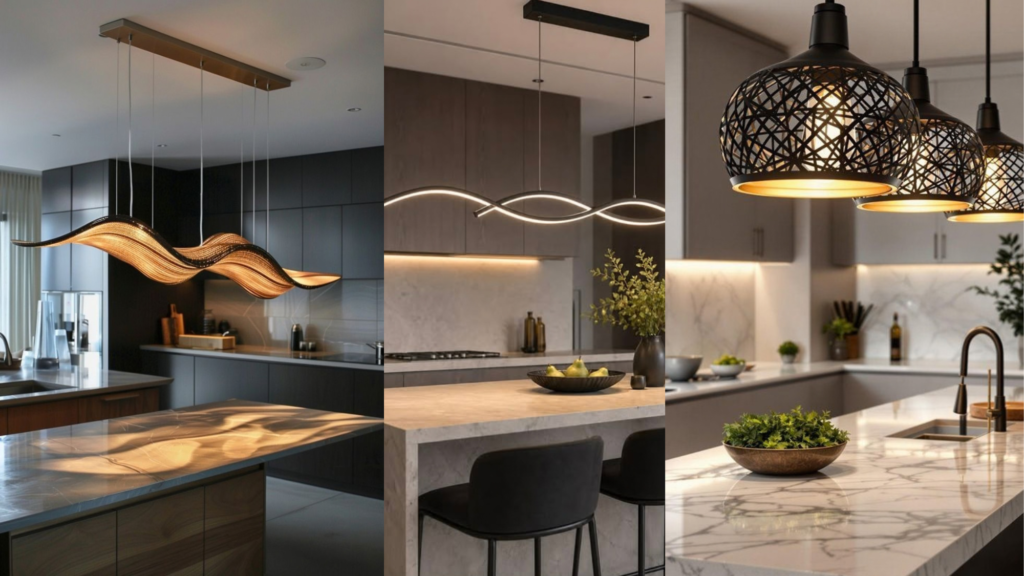
7. Dimmable Kitchen Island Lighting: A Change I Would Make Again
One of the most useful things I discovered while researching kitchen lighting was the value of dimmable fixtures.
Think about it: the lighting you need while preparing dinner is not necessarily the lighting you want when sitting at the island with friends.
During busy mornings, brighter lighting can help you see what you are doing. In the evening, a softer setting can make the kitchen feel more relaxed and inviting.
Dimmable pendant lights or compatible lighting controls give you more flexibility throughout the day. Just make sure the bulbs, fixtures, and dimmer switch are designed to work together.
This small detail can make the kitchen island more versatile, especially if you use it for cooking, working, eating, and socializing.
My lesson: Your kitchen should adapt to your life, not force you to use the same lighting for every activity.
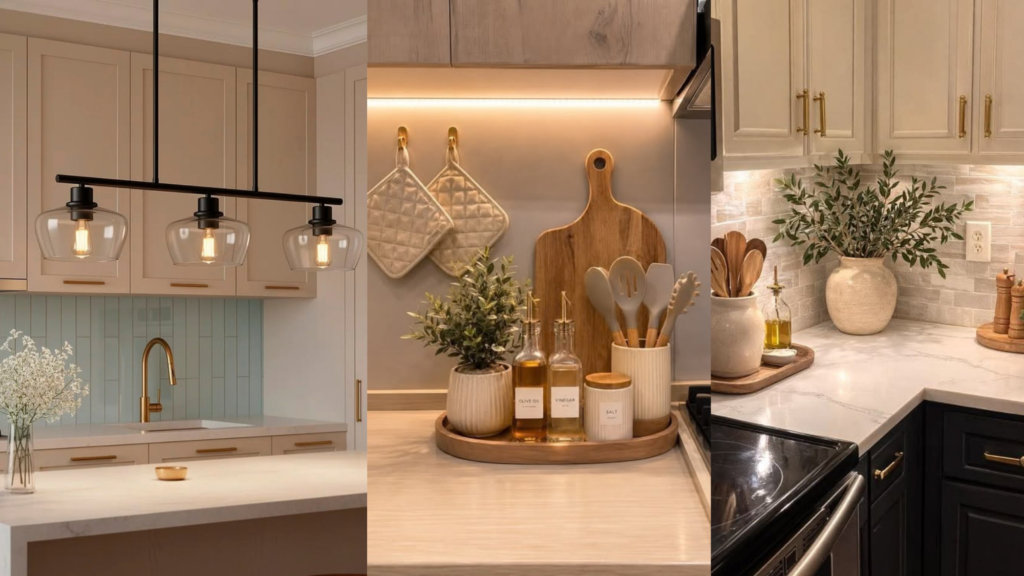
8. Natural Materials: The Warmth My Kitchen Was Missing
As I explored more kitchen island lighting ideas, I began noticing fixtures made from wood, rattan, woven fibers, and other natural-looking materials.
They reminded me that a beautiful kitchen does not have to feel cold or overly polished. Sometimes, a little texture is what makes a space feel like home.
Natural-material pendants can complement wooden stools, butcher-block accents, open shelving, or neutral cabinets. They are particularly lovely in kitchens inspired by farmhouse, coastal, Scandinavian, or relaxed contemporary design.
However, I would check the fixture’s cleaning requirements and suitability for the kitchen environment before purchasing it. Materials near cooking areas should be appropriate for the conditions in which they will be used.
My lesson: Texture matters. The right lighting can bring softness and character to a kitchen without adding unnecessary clutter.
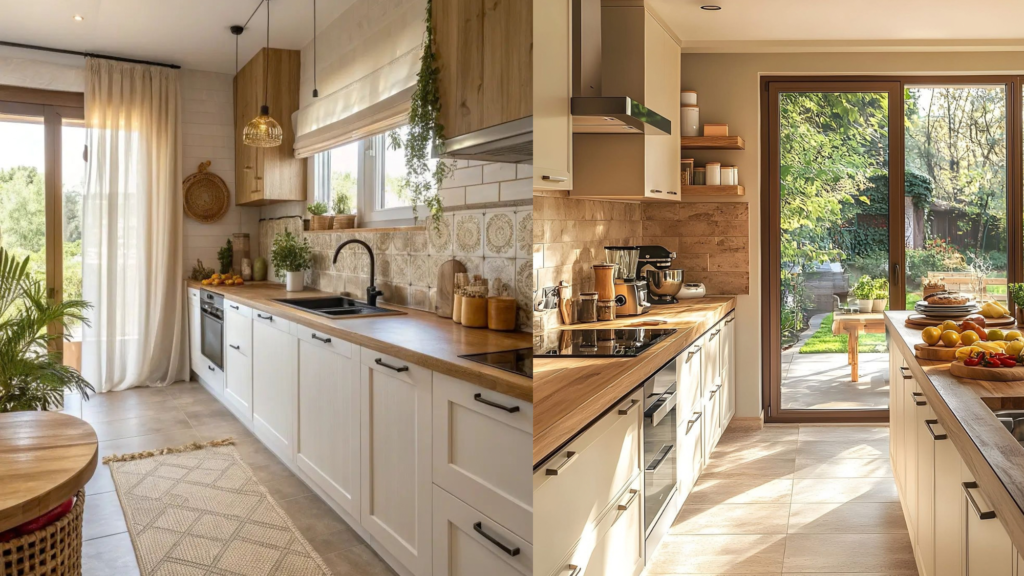
9. Linear Kitchen Island Lighting: A Practical Choice for Long Islands
There was another thing I had not considered at first: the shape of the island itself.
If you have a long rectangular island, a linear pendant can be a practical and stylish option. Instead of arranging several separate fixtures, you can use one elongated design to spread light across the countertop.
Linear fixtures come in minimalist, industrial, modern, and traditional styles, so there is usually an option to complement your kitchen’s design.
I would compare the fixture’s length with the island’s dimensions and consider where people sit or work. The light should cover the useful surface without looking too small or extending awkwardly beyond the island.
My lesson: The best lighting is designed around the space you actually have, not the kitchen you saw online.
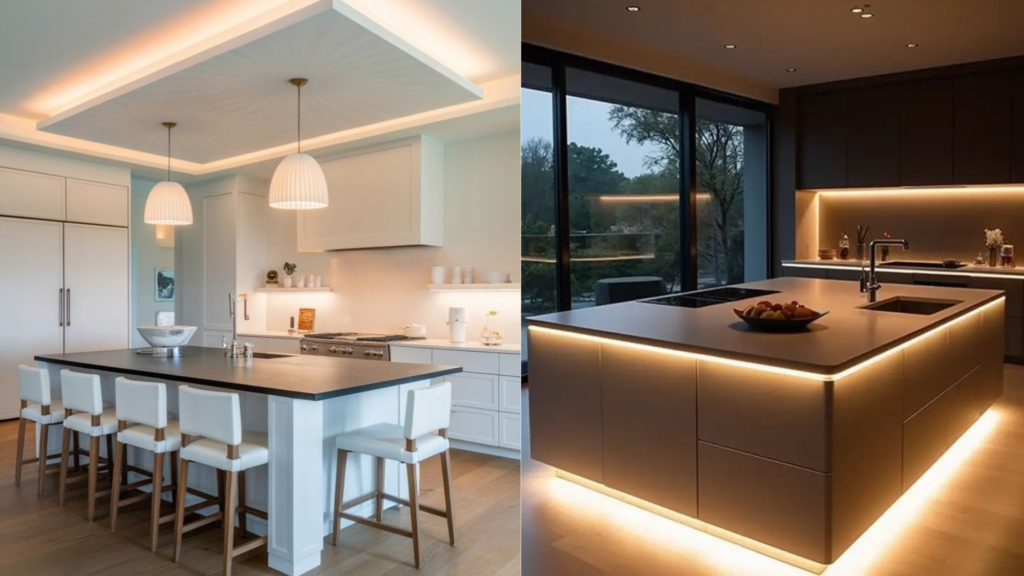
10. The Small Details I Would Never Ignore Again
After learning more about kitchen island lighting, I realized that choosing a beautiful fixture is only one part of the process. The installation details matter too.
Here are a few things I would check before making a final decision:
- Hanging height: The lights should illuminate the island without obstructing people’s views. A common starting point is approximately 30–36 inches above the countertop, but the ideal height depends on ceiling height, fixture size, and sightlines.
- Island dimensions: Measure the length and width before choosing the number and size of fixtures.
- Light distribution: Make sure the countertop receives enough light for cooking, reading, and other everyday tasks.
- Ceiling height: Consider how the fixtures will look in relation to the ceiling and surrounding cabinets.
- Cleaning and maintenance: Choose a design you can realistically keep clean.
- Professional installation: Have electrical work and secure mounting handled by a qualified professional when needed.
These details might not be the most exciting part of decorating, but they can make the difference between a kitchen that looks good in pictures and one that works beautifully every day.
What I Learned From My Kitchen Lighting Mistake
Looking back, I wish I had planned my kitchen island lighting before making my other decorating decisions. I spent so much time thinking about the appearance of the cabinets and countertops that I underestimated how much lighting would influence the entire space.
Now, I see the kitchen island differently. It is not simply another countertop. It can be the place where you enjoy your morning coffee, help your children with homework, prepare meals, chat with family, or sit with a friend long after dinner is finished.
And the right lighting helps make those little moments feel special.
If you are choosing new kitchen island lights, my advice is simple: measure your space, consider how you use your island, select a style that complements your kitchen, and never forget the atmosphere you want to create.
You do not need to follow every trend or spend a fortune to create a beautiful kitchen. Sometimes, the smartest design decision is simply learning from a mistake before someone else has to make it.
Because a kitchen island should be more than a place to prepare food. With thoughtful lighting, it can become the most welcoming seat in the house.
