
Oct 13, 2026 · @Sofia Andrew . Brown Bedroom Ideas
I was terrified that painting my bedroom brown would make it feel like a cave.
For years my room was white and gray, and it never felt restful. Everyone told me brown was dark and dated, but I kept picturing a cafe at golden hour: warm, quiet and a little bit luxurious. So I took a deep breath, bought one sample pot and tried it.
It turned out to be the coziest room I have ever slept in. Here are the 15 brown bed ideas that made it work for me, along with the mistakes I made so you can skip them.
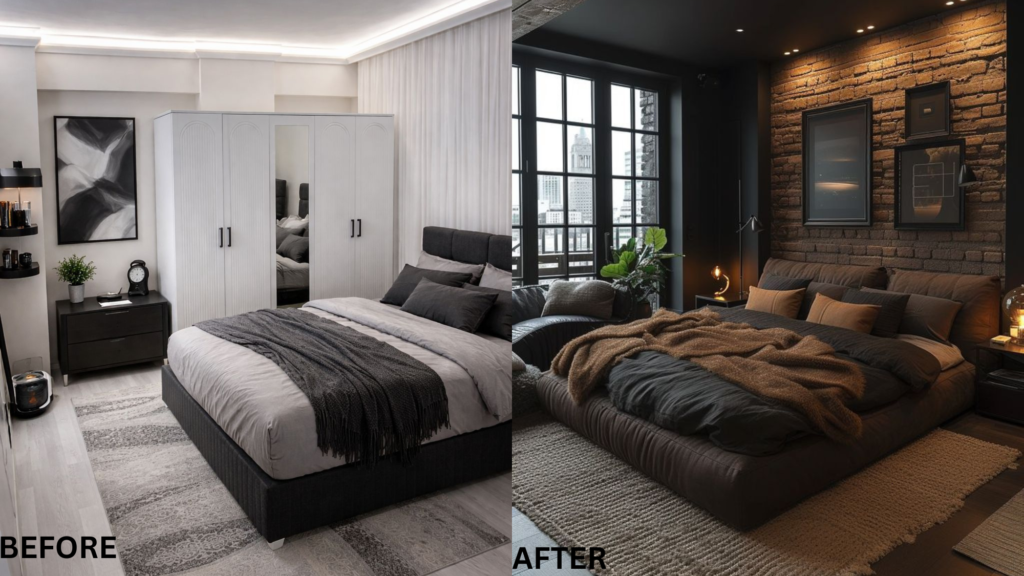
Start with the right shade and a layered base
The shade of brown matters more than anything else you will decide.
1. Pick your undertone first. Brown leans warm (red or orange) or cool (gray or green). I tested three samples on my wall and checked them at morning, noon and night before choosing a warm mocha. Always paint swatches a foot wide, because a tiny card tells you almost nothing.
2. Try a single brown accent wall. If a full room feels risky, paint only the wall behind your bed. It frames the bed, adds depth and lets you test the color before committing.
3. Use brown bedding in different tones. I layered a caramel duvet, a chocolate throw and cream pillows. Mixing three or four shades of brown looks rich, while one flat shade looks heavy.
4. Add texture everywhere. Brown looks best when it is tactile: a chunky knit blanket, linen sheets, a velvet cushion and a woven basket. Texture gives the eye something to enjoy, so the color never feels flat.
5. Balance it with cream and soft white. The biggest lesson I learned is that brown needs a light partner. Cream curtains, white trim and light bedding stop the room from feeling closed in.
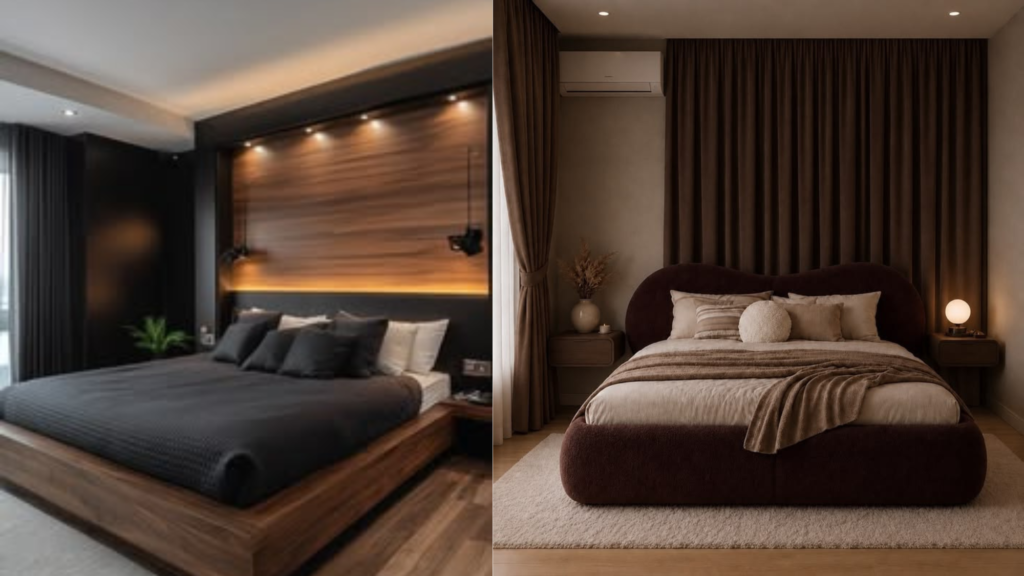
Furniture, light and color pairings in Brown Bedroom Ideas
Once the base was in place, these choices decided whether the room felt elegant or heavy.
6. Choose wood furniture in a lighter tone. My dark walls looked best with oak and walnut pieces that were a shade or two lighter. Matching dark furniture to dark walls made my first attempt feel like a cave.
7. Layer your lighting. Brown absorbs light, so one ceiling bulb is never enough. I added a bedside lamp, a floor lamp in the corner and a string of warm lights, all at around 2700K. Dimmers make the room more flexible at night.
8. Pair brown with sage green. Green and brown are both earthy, so they feel natural together. A sage throw and a couple of plants made my bedroom feel fresh instead of heavy.
9. Add a soft rug. A cream or beige rug lifts the floor and adds comfort under your feet. I chose a low-pile wool-blend rug that is easy to vacuum.
10. Hang curtains that let light in. Heavy dark curtains were my second mistake. Sheer or linen curtains in oatmeal or ivory keep daytime bright and still give privacy. Hang the rod close to the ceiling to make the room feel taller.
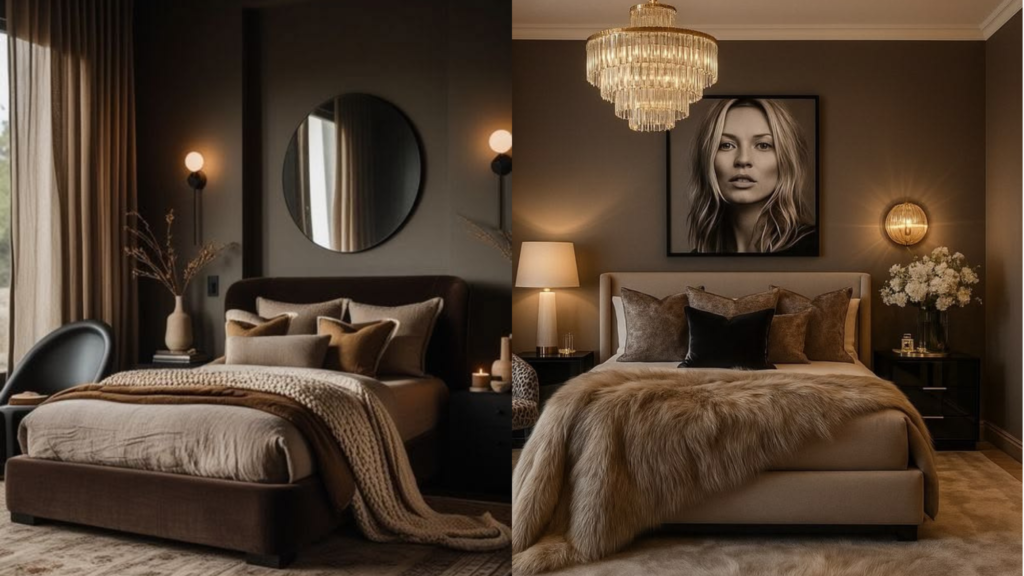
Accents and finishing touches
The last five ideas are what made the room feel finished instead of just painted.
11. Add warm metal accents. Brass or gold lamp bases, mirror frames and drawer handles glow against brown. Keep to one metal so the room stays calm.
12. Bring in plants. A trailing pothos on a shelf and a tall plant in the corner added life. Choose low-light plants if your brown walls make the room dim.
13. Hang art with a light mat. Framed prints with white or cream mats pop against brown walls. I kept to a few larger pieces, which looked more intentional than lots of small ones.
14. Use brown in small rooms with care. In my friend’s tiny bedroom, we painted the walls a mid-tone latte rather than chocolate and kept the ceiling white. A lighter brown plus a mirror opposite the window kept the space open.
15. Finish with a cozy scent and a few personal items. A vanilla or sandalwood candle, a stack of books and a framed photo made the room feel like mine. Keep surfaces tidy, since brown looks best when clutter is low.
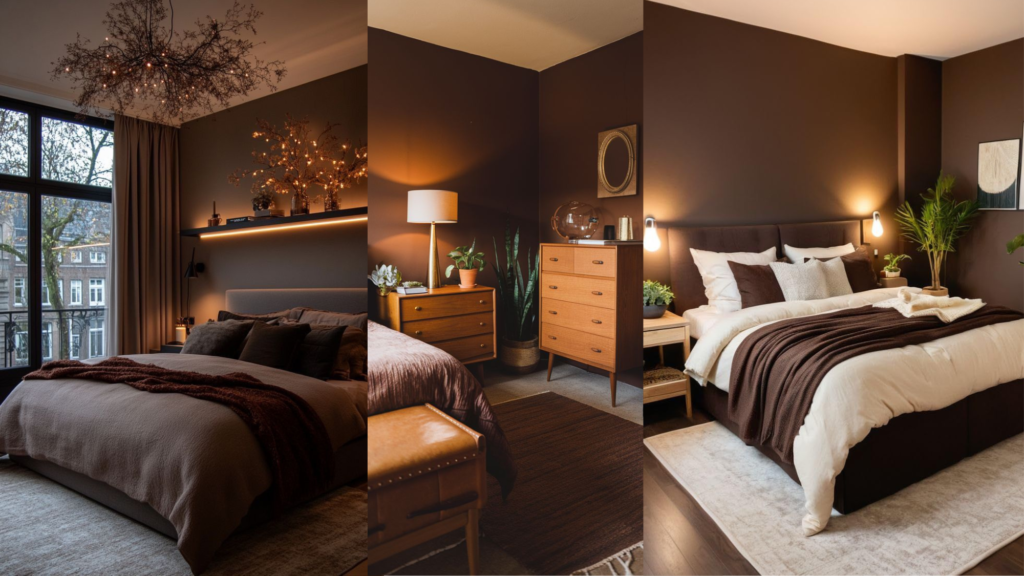
Mistakes to avoid and a quick checklist
Brown is forgiving once you know its rules. My biggest mistakes were skipping sample swatches, using dark furniture on dark walls and relying on a single light source. Fix those three and the room will feel warm instead of heavy.
Before you pick up a paintbrush, run through this list:
- Test two or three brown samples at different times of day
- Decide whether you want a warm or cool undertone
- Plan light accents in cream, white or sage green
- Choose at least three light sources
- Pick furniture a shade or two lighter than the walls
- Add texture through bedding, rugs and throws
Would you paint a whole room brown or start with one wall? Share your thoughts in the comments.