
Creating a distraction-free workspace is one of the most effective ways to improve focus, boost productivity, and reduce stress. Whether you work from home, study online, or manage a business, your environment has a direct impact on your ability to concentrate. A well-organized workspace helps you stay motivated, complete tasks faster, and avoid unnecessary interruptions. In this guide, you’ll discover practical strategies to design a workspace that supports deep focus and consistent productivity. A Distraction-Free Workspace helps you stay focused, improve productivity, and complete tasks more efficiently. Discover simple and practical tips to create a clean, organized, and motivating workspace that supports better concentration every day.
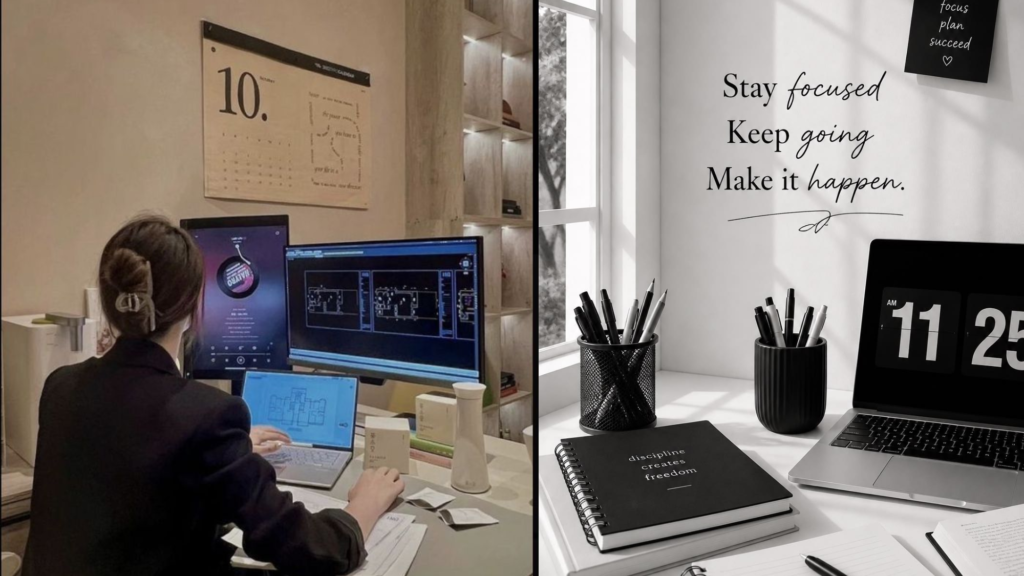
1. Choose the Right Location for Your Workspace
The first step in creating a distraction-free workspace is selecting the right location. If possible, choose a quiet area away from televisions, busy walkways, or other household activities. Even a small corner dedicated to work can make a significant difference in your concentration.
A dedicated workspace also trains your brain to associate that area with productivity. When you consistently work in the same place, it becomes easier to focus and avoid procrastination. If you don’t have a separate room, use dividers, bookshelves, or curtains to create a clear boundary between your workspace and your living area.
2. Keep Your Desk Clean and Organized
A cluttered desk often leads to a cluttered mind. Remove unnecessary items and keep only the tools you need for your daily tasks. Having a tidy workspace reduces visual distractions and makes it easier to stay focused.
Use organizers, storage boxes, cable holders, and drawers to keep everything in its proper place. Spend five minutes at the end of each workday cleaning your desk. This simple habit ensures you start every morning with a fresh and organized environment.
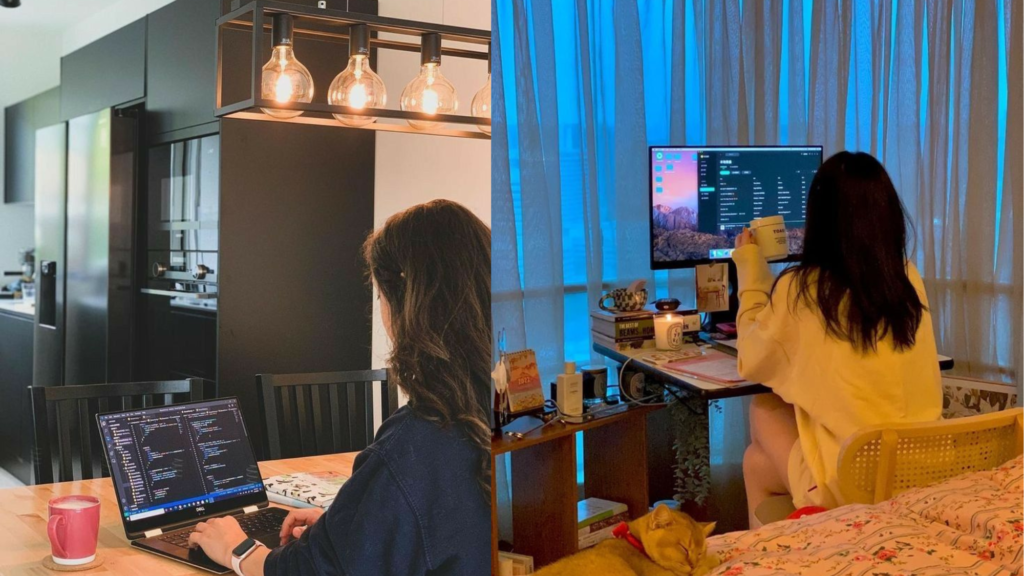
3. Minimize Digital Distractions(Distraction-Free Workspace)
Your computer and smartphone can either improve productivity or become your biggest source of distraction. Constant notifications from emails, social media, and messaging apps interrupt your concentration and make it difficult to regain focus.
Turn on “Do Not Disturb” mode during work sessions, close unnecessary browser tabs, and uninstall apps that tempt you to procrastinate. You can also use website blockers to limit access to distracting websites during working hours. Small digital changes can greatly improve your ability to stay focused.
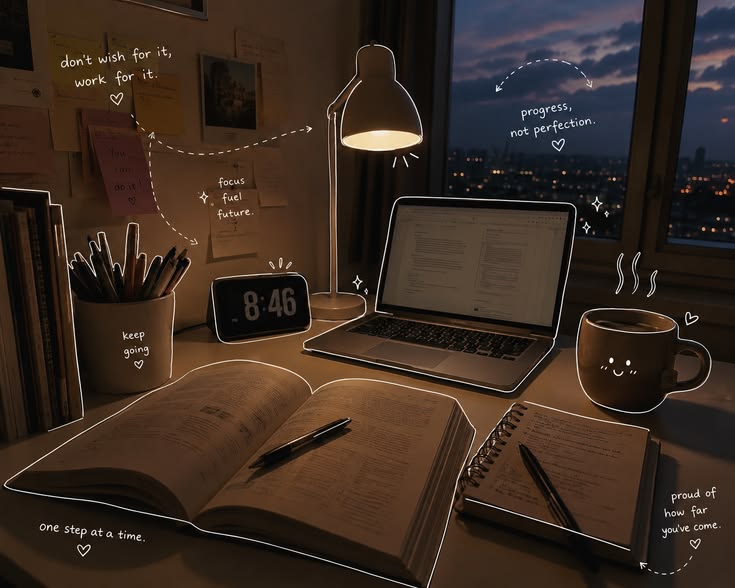
4. Invest in Comfortable Furniture
Comfort plays an important role in maintaining focus throughout the day. Sitting in an uncomfortable chair or working at the wrong desk height can lead to back pain, neck strain, and fatigue, making it harder to stay productive.
Choose an ergonomic chair that supports good posture and a desk that fits your working style. Position your monitor at eye level and keep your keyboard and mouse within comfortable reach. A comfortable workspace allows you to work longer without unnecessary physical discomfort.

5. Improve Lighting for Better Concentration
Lighting has a major impact on your energy levels and productivity. A workspace with poor lighting can cause eye strain, headaches, and reduced focus. Natural sunlight is the best option because it improves mood and helps maintain alertness.
If natural light isn’t available, use bright LED desk lamps with soft white lighting. Avoid working in overly dark or extremely bright spaces. Proper lighting creates a pleasant work environment and helps you remain productive throughout the day.

6. Control Noise Levels
Noise is one of the biggest distractions in any workspace. Loud conversations, traffic sounds, television noise, or household activities can interrupt your workflow and reduce concentration.
Use noise-canceling headphones if you work in a noisy environment. Many people also find instrumental music, nature sounds, or white noise helpful for maintaining focus. If possible, let family members or coworkers know your work schedule to reduce interruptions during important tasks.

7. Add Only Helpful Decorations
Decorating your workspace can improve motivation, but too many decorations may become distracting. The goal is to create an environment that feels pleasant without becoming visually overwhelming.
Add a small indoor plant, a motivational quote, or a simple piece of artwork. Green plants can make your workspace feel fresh and reduce stress. Keep decorations minimal so they inspire you without taking your attention away from work.
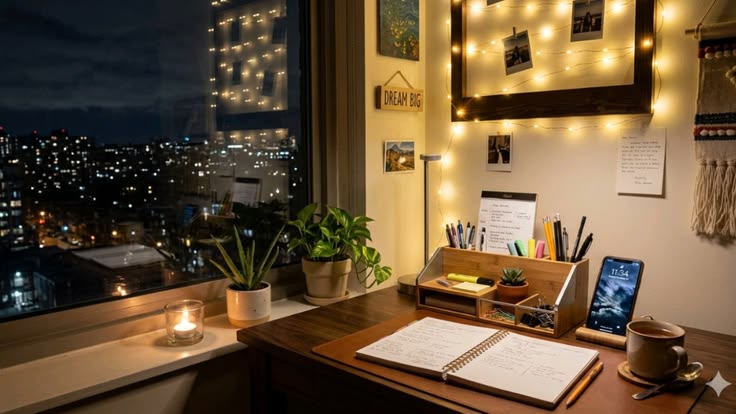
8. Maintain Good Air Quality and Temperature
The physical environment affects your ability to think clearly. A room that is too hot, too cold, or poorly ventilated can reduce concentration and make you feel tired.
Open windows whenever possible to improve airflow, or use a fan or air purifier if needed. Keep the room at a comfortable temperature and stay hydrated throughout the day. Fresh air and a comfortable environment help your brain stay active and focused.
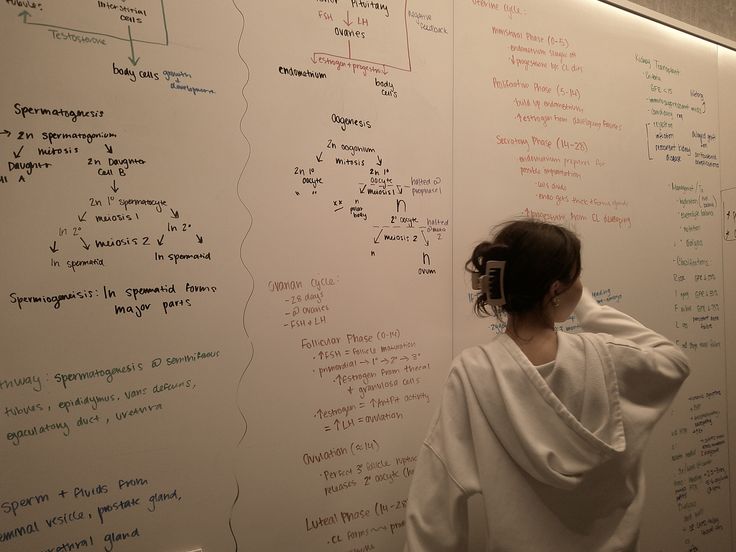
9. Create a Daily Work Routine
Even the best workspace cannot improve productivity without a consistent routine. Start each day by planning your priorities and organizing your tasks. Having a clear schedule helps you stay focused and reduces decision fatigue.
Work in dedicated time blocks, take short breaks, and avoid multitasking. Techniques like the Pomodoro Method—working for 25 minutes followed by a 5-minute break—can improve concentration while preventing burnout. A structured routine makes your distraction-free workspace even more effective.
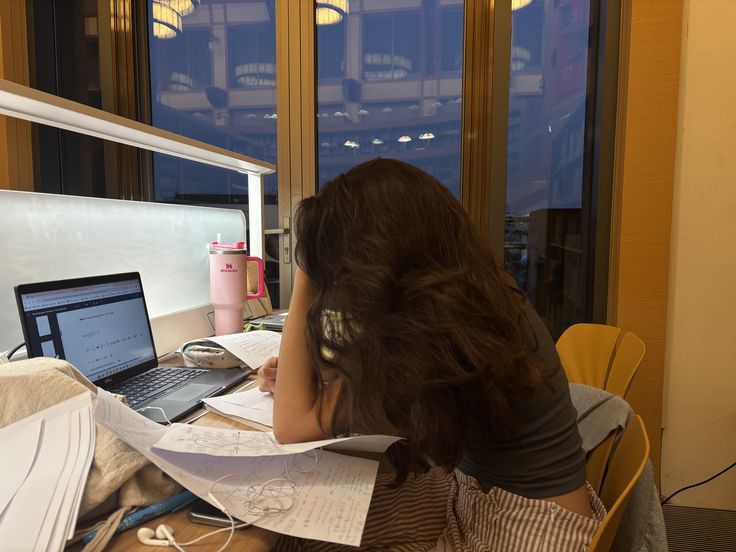
10. Set Boundaries to Avoid Interruptions
One of the most overlooked aspects of a distraction-free workspace is setting boundaries with others. Family members, roommates, or coworkers may unintentionally interrupt your workflow if they don’t know you’re focusing.
Communicate your work hours clearly and place a simple sign on your desk or door if necessary. Silence non-essential phone calls and schedule meetings during specific times instead of allowing constant interruptions. Protecting your focus helps you complete tasks more efficiently and with better quality.
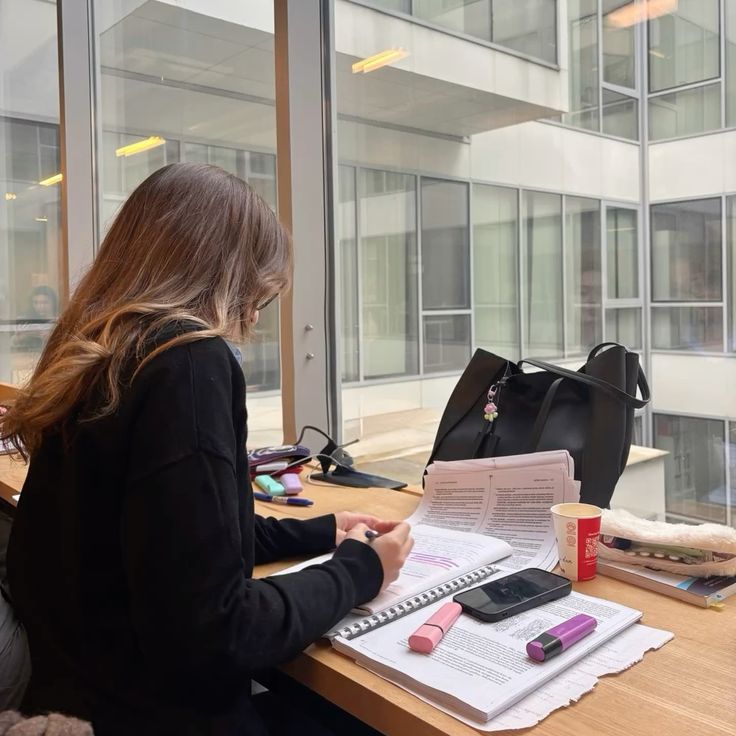
Conclusion
Creating a distraction-free workspace doesn’t require an expensive office or a complete home renovation. Small improvements—such as organizing your desk, reducing digital distractions, improving lighting, and establishing clear routines—can significantly boost your focus and productivity. The key is to design an environment that supports your goals and minimizes anything that steals your attention.
Start by making one or two changes today, then gradually improve your workspace over time. A well-designed, distraction-free workspace will help you work smarter, stay motivated, and achieve better results in every project.
Pingback: 10 Best Life Hacks for Students to Save Time and Stay Organized
Pingback: The Science of Getting Things Done Faster: 10 Proven Strategies
Very helpful tips
Thanks for sharing.
your work is so incredible! like look at the images