
France is one of the world’s most popular destinations for international students, offering high-quality education, affordable tuition fees, rich cultural experiences, and excellent career opportunities. From choosing the right university and applying for a student visa to manage expenses, living a peaceful life there managing accommodation and living expenses, studying in France requires careful planning. This guide covers everything international students need to know before starting their educational journey in France, helping them make informed decisions and enjoy a successful study abroad experience. Dreaming to study abroad in France? This complete guide helps international students understand universities, visa requirements, expenses, accommodation options, and student life for a successful journey.
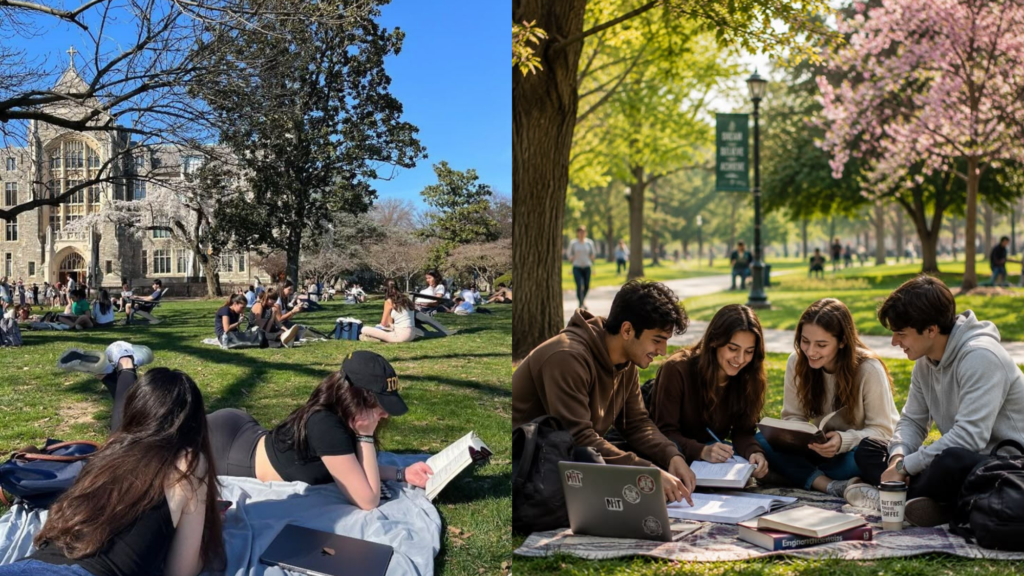
1. Why Choose France for Higher Education?
France has earned a global reputation for academic excellence and innovation. Every year, thousands of international students choose France because of its world-class universities, diverse academic programs, and internationally recognized degrees.
The country offers an excellent balance between quality education and affordability. Compared to many English-speaking countries, tuition fees in France are often lower, making it an attractive option for students seeking value for money.
Beyond academics, France provides students with opportunities to experience a rich cultural heritage, beautiful landscapes, and a vibrant lifestyle that enhances personal growth and global awareness.
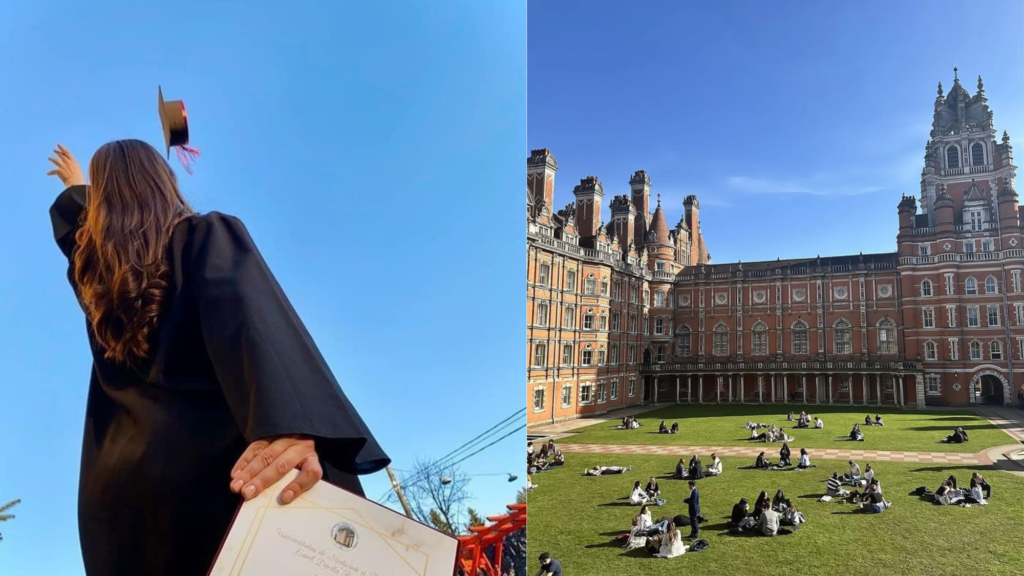
2. Understanding the French Education System
The French education system follows the Bologna Process, which standardizes higher education across Europe. Degrees are generally divided into three levels: Bachelor’s, Master’s, and Doctorate programs.
Bachelor’s programs typically last three years, Master’s programs require two additional years, and doctoral studies usually take three to five years.
French universities focus heavily on research, critical thinking, and practical application of knowledge, preparing students for successful international careers. Study abroad in France is just like a dream.

3. Top Universities and Institutions in France
France is home to many prestigious universities and specialized institutions. Students can choose from public universities, private institutions, and Grandes Écoles.
Public universities offer affordable tuition fees and a wide variety of programs, while Grandes Écoles are highly selective institutions known for excellence in business, engineering, and public administration.
Many French institutions consistently rank among the world’s best, attracting talented students from every continent.
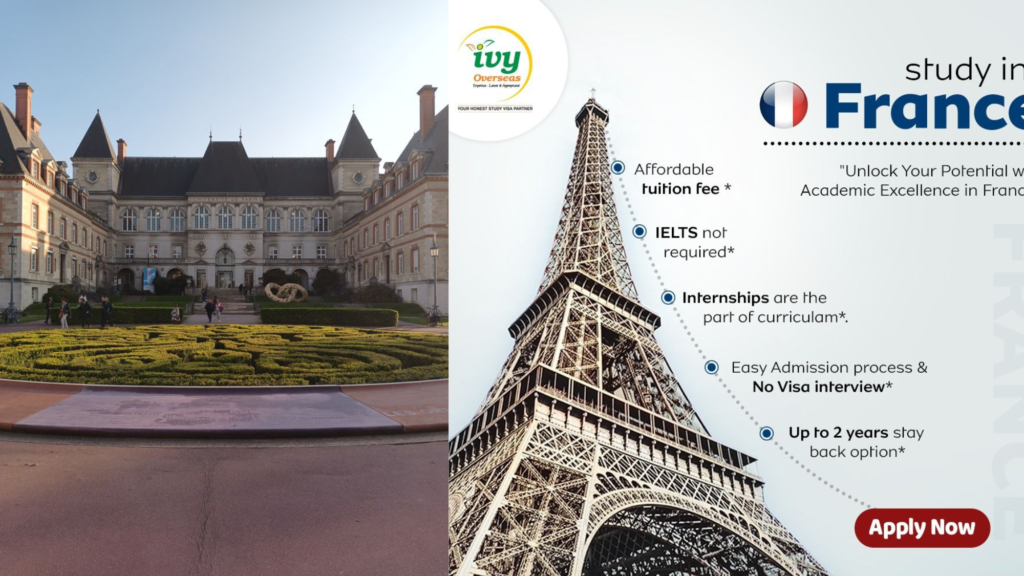
4. Popular Courses for International Students( Study Abroad in France)
France offers a diverse range of academic programs that cater to various interests and career goals.
Popular fields include Business Administration, Engineering, Computer Science, Artificial Intelligence, Fashion Design, Hospitality Management, International Relations, and Arts.
Students interested in culinary arts, luxury brand management, and fashion often choose France because it is a global leader in these industries. Study abroad in France is so crazy like they are providing a lot facilities for international students.

5. Admission Requirements and Eligibility
Admission requirements vary depending on the institution and program level. Generally, students must provide academic transcripts, certificates, language proficiency scores, and identification documents.
Universities may also require motivation letters, recommendation letters, portfolios, or entrance examinations depending on the chosen field.
To study abroad in France it is important for you to Prepare all required documents well in advance helps ensure a smooth application process.

6. How to Apply to French Universities
The application process usually begins several months before the academic year starts. Students should first research suitable programs and universities.
After selecting institutions, applicants submit their documents through university portals or centralized application systems where applicable.
Carefully following application guidelines and meeting deadlines significantly increases the chances of receiving an admission offer.

7. Student Visa Requirements for France
International students from many countries need a student visa to study in France. The visa application process typically starts after receiving an official acceptance letter.
Applicants usually need a valid passport, admission letter, proof of financial resources, accommodation details, and health insurance coverage.
Submitting accurate documentation and preparing thoroughly for the visa interview can improve the likelihood of approval.

8. Tuition Fees and Educational Costs
One of France’s major advantages is its relatively affordable tuition structure compared to several other popular study destinations.
Public universities generally charge lower fees, while private institutions and specialized schools may have higher tuition costs.
Students should also budget for registration fees, books, learning materials, transportation, and personal expenses throughout their studies.

9. Accommodation Options for Students
Finding suitable accommodation is an important part of preparing for life in France. Students can choose from university residences, private apartments, shared housing, or homestays.
University residences are often affordable and provide opportunities to meet students from different backgrounds.
Private accommodation offers greater independence but may require higher monthly expenses and additional responsibilities.

10. Cost of Living in France
Living expenses depend largely on the city and individual lifestyle. Major cities such as Paris tend to be more expensive than smaller towns and regional cities.
Students should plan for housing, food, transportation, utilities, internet, entertainment, and study-related expenses.
Creating a realistic monthly budget helps students manage finances effectively and avoid unnecessary stress.

11. Scholarships and Financial Aid Opportunities
France offers numerous scholarship opportunities for international students. These scholarships may be funded by government organizations, universities, international agencies, or private foundations.
Scholarships can help cover tuition fees, living expenses, travel costs, or a combination of these expenses.
Students are encouraged to research available funding opportunities early and apply before deadline
12. Working While Studying in France
International students are generally allowed to work part-time while pursuing their studies, subject to applicable regulations.
Part-time employment can help students gain professional experience, improve language skills, and contribute toward living expenses.
Balancing academic responsibilities with work commitments is important to maintain strong academic performance and overall well-being

13. French Culture and Student Life
Studying in France offers much more than classroom learning. Students become part of a culturally rich society known for art, literature, architecture, cuisine, and history.
Universities frequently organize social events, cultural activities, and student clubs that help newcomers integrate into campus life.
Engaging with local communities allows students to build friendships, broaden perspectives, and create unforgettable memories.
14. Healthcare and Student Insurance
Healthcare is an essential consideration for international students living abroad. France has a highly respected healthcare system that provides quality medical services.
Students are generally required to have health insurance coverage during their stay.
Understanding healthcare procedures, emergency services, and insurance requirements helps students feel secure and prepared throughout their academic journey.
15. Career Opportunities After Graduation
France offers attractive career prospects for graduates, particularly in sectors such as technology, engineering, finance, hospitality, healthcare, and international business.
Many employers value international graduates who possess multicultural experience and strong educational backgrounds.
Students can also benefit from networking events, internships, and career services provided by universities to improve their employment prospects after graduation.

Conclusion
Study abroad in France is a life-changing opportunity that combines academic excellence, cultural enrichment, and professional development. With internationally recognized universities, affordable education options, diverse study programs, and numerous career opportunities, France remains one of the most attractive destinations for international students worldwide.
Success begins with proper planning. By researching universities, understanding visa requirements, budgeting carefully, and embracing French culture, students can make the most of their educational experience. Whether your goal is academic achievement, career advancement, or personal growth, studying in France can open doors to a brighter future and provide memories that last a lifetime.
Really helpful article! It explains everything in a simple way and gave me a much better understanding of studying in France. Thanks for sharing!
Great article! France offers an excellent combination of high-quality education, affordable tuition fees, and rich cultural experiences, making it a top destination for international students. I especially appreciate how this guide explains the visa process, living expenses, accommodation, and student life in a clear and practical way. It’s a valuable resource for anyone planning to study in France. Thank you for sharing such helpful information!
thanks
Pingback: Student Life Abroad: 10 Affordable Accommodation Tips
Great! these tips will help me a lot through my visa journey
“Very well written! I learned something new today. Looking forward to reading more of your articles.”❤️❤️