Minimalist living is not about deprivation—it’s about making intentional choices. By stopping the purchase of unnecessary items, I reduced clutter, saved money, and focused on what truly adds value to my life. This journey taught me that happiness doesn’t come from owning more things but from having fewer things that serve a real purpose. In this blog, I share ten minimalist living categories of items I stopped buying and explain how these changes improved my finances, reduced stress, and created a more meaningful lifestyle.
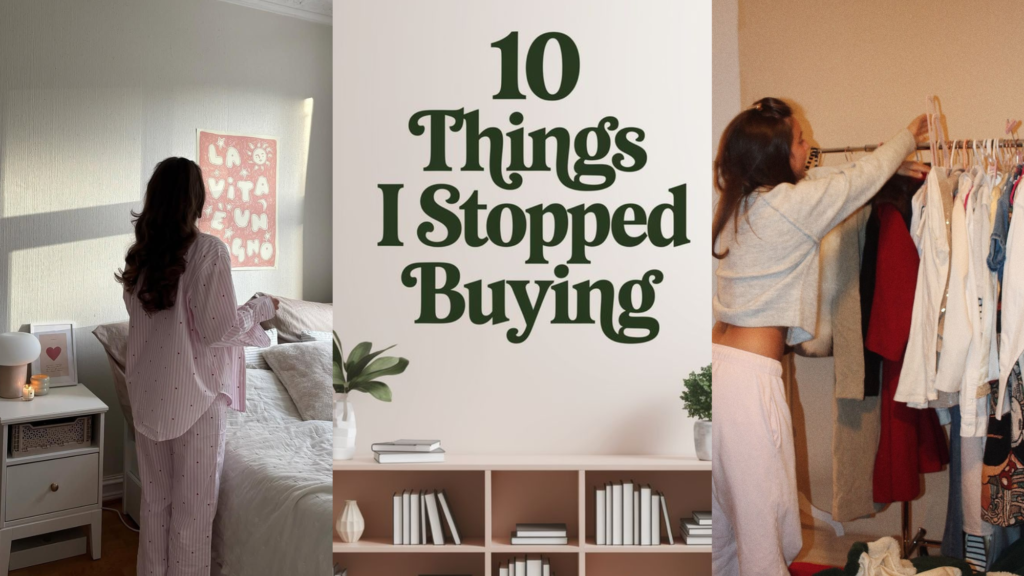
1. I Stopped Buying Fast Fashion Clothing( Minimalist living)
One of the first changes I made was reducing my fast fashion purchases and try to like minimalist living. I used to buy trendy clothes every season because they were affordable and widely available. However, many of these items would lose their appeal after a few wears and eventually sit unused in my closet.
As I embraced minimalism, I realized that having a smaller wardrobe filled with versatile, high-quality pieces was far more beneficial. Instead of chasing trends, I focused on timeless clothing that could be mixed and matched easily.
This shift helped me save money and reduced decision fatigue when getting dressed each day. My closet became more organized, and I no longer felt overwhelmed by excess clothing.
Additionally, buying fewer clothes reduced my environmental impact. The fashion industry is one of the largest contributors to waste, and purchasing less allowed me to make more sustainable choices.
Today, I value quality over quantity and only purchase clothing when I genuinely need it.

2. I Stopped Buying Decorative Home Items Without Purpose
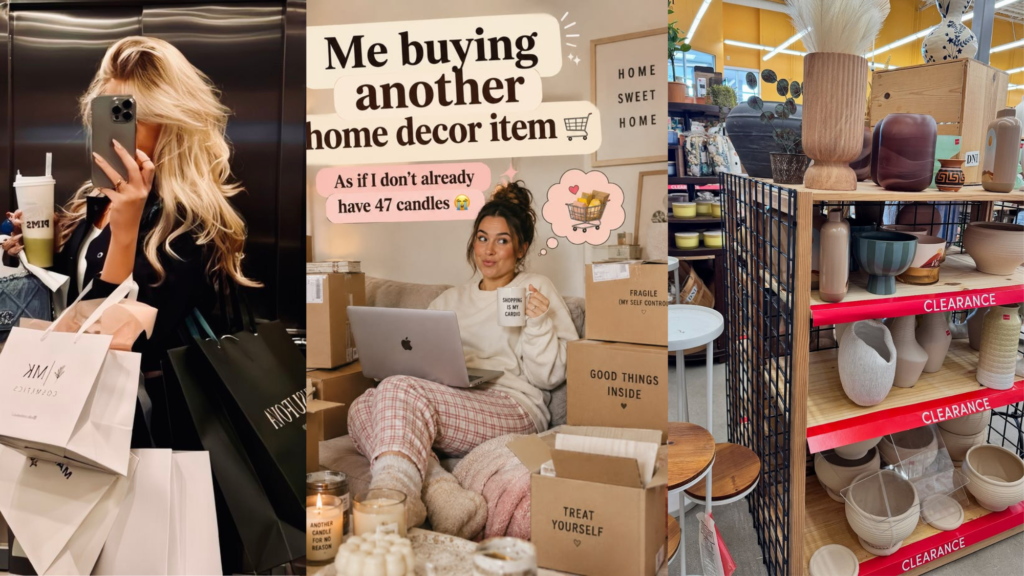
Before adopting a minimalist lifestyle, I often purchased decorative items simply because they looked attractive. Candles, vases, figurines, and wall decorations frequently found their way into my shopping cart.
While these items initially brought excitement, they often became dust collectors that required maintenance and took up valuable space. I realized that most of them added little practical value to my home.
Minimalist living encourages me to evaluate every object before bringing it into my living space. I now choose decore intentionally and only keep items that serve a meaningful purpose or genuinely enhance my environment.
As a result, my home feels cleaner, calmer, and easier to maintain. Fewer objects mean less clutter and less time spent organizing.
The simplicity of a thoughtfully designed space has become far more satisfying than constantly adding new decorations.
3. I Stopped Buying Duplicate Household Products
One habit I didn’t notice until I began decluttering was my tendency to buy duplicate items. I often purchased extra kitchen gadgets, cleaning supplies, and household tools that I rarely used.
Many of these products performed similar functions, making them unnecessary additions to my home. Instead of improving convenience, they created confusion and occupied storage space.
By minimizing duplicates, I discovered that a few reliable tools could handle most everyday tasks. This approach simplified my routines and made organization easier.
I also became more mindful of what I already owned before making purchases this is sign of Minimalist living . Checking inventory before shopping helped prevent wasteful spending.
Today, I prioritize minimalist living functionality and avoid accumulating multiple versions of the same item.
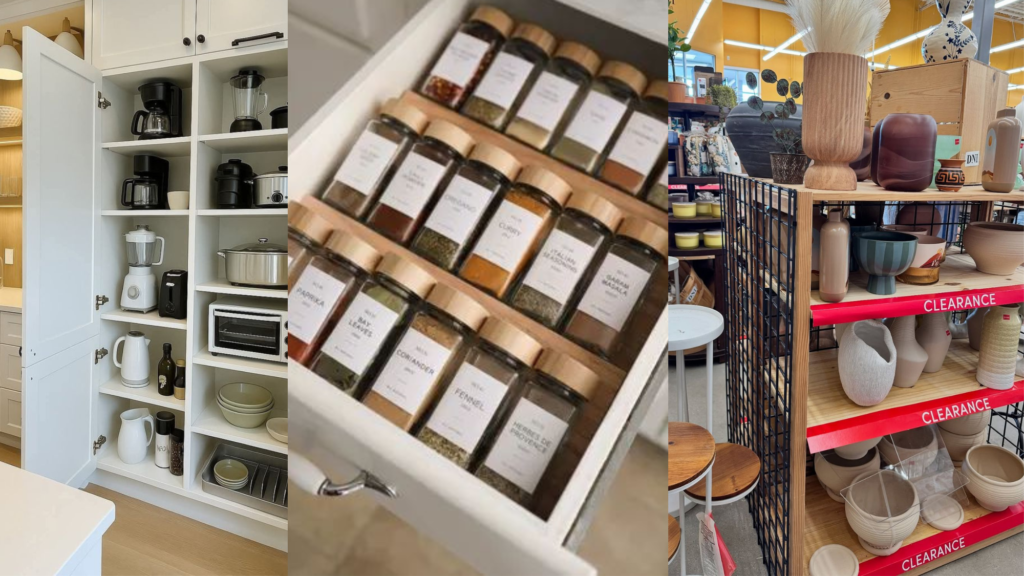
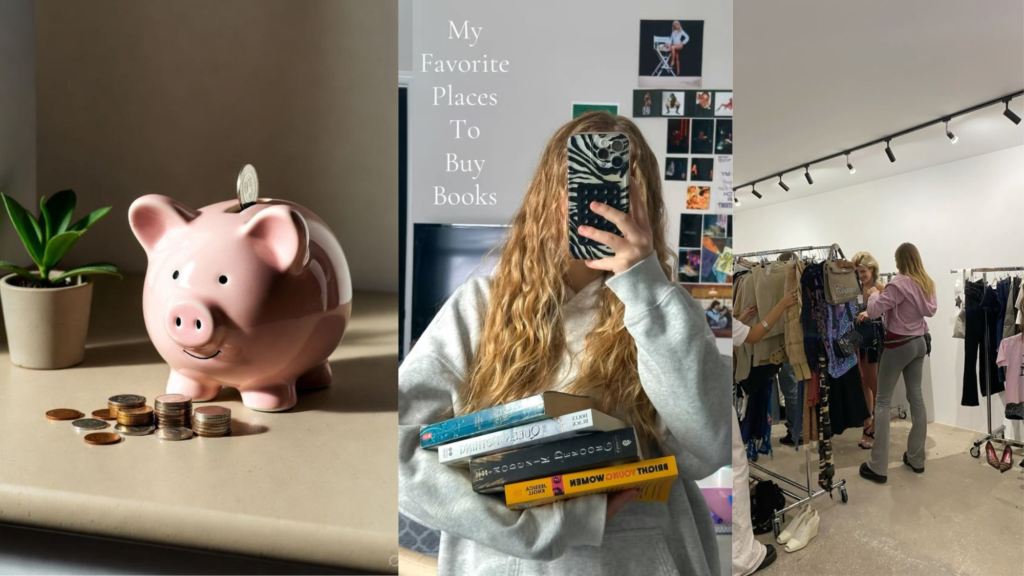
4. I stopped buying books
As someone who enjoys learning, I frequently purchased books with good intentions. Unfortunately, many of them remained unread on my shelves for months or even years.
Buying books gave me the feeling of being productive, but owning them didn’t guarantee that I would actually read them. My growing collection became a source of guilt rather than inspiration.
Minimalism taught me to purchase books only when I was ready to start reading them immediately. This simple change helped me focus on completing one book before moving to the next.
I also began using libraries and digital reading platforms more often, reducing unnecessary spending.
As a result, my reading habits improved, and my shelves became filled only with books that truly mattered to me.
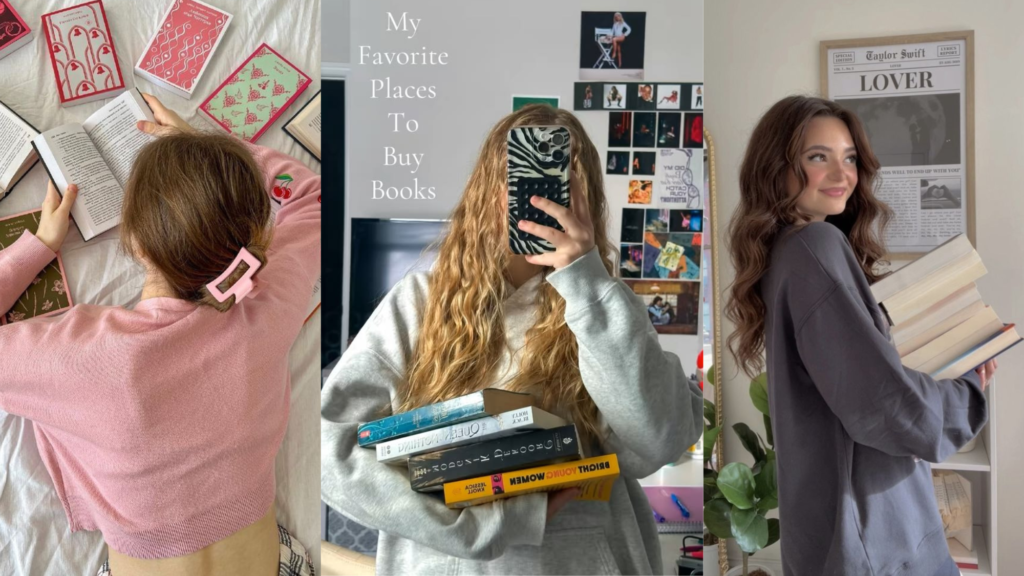
5. I Stopped Buying Trendy Technology Upgrades
Technology companies constantly release new devices with improved features and attractive marketing campaigns. In the past, I felt tempted to upgrade my phone, laptop, or accessories more often than necessary.
Over time, I realized that many upgrades offered only minor improvements to products that already met my needs. The excitement of purchasing something new quickly faded.
Minimalist living encourages me to use technology until it genuinely required replacement. This mindset saved significant amounts of money and reduced electronic waste.
I began focusing on functionality rather than novelty. If a device performed its intended purpose effectively, there was little reason to replace it.
This approach allowed me to appreciate what I already owned instead of constantly seeking the latest model.
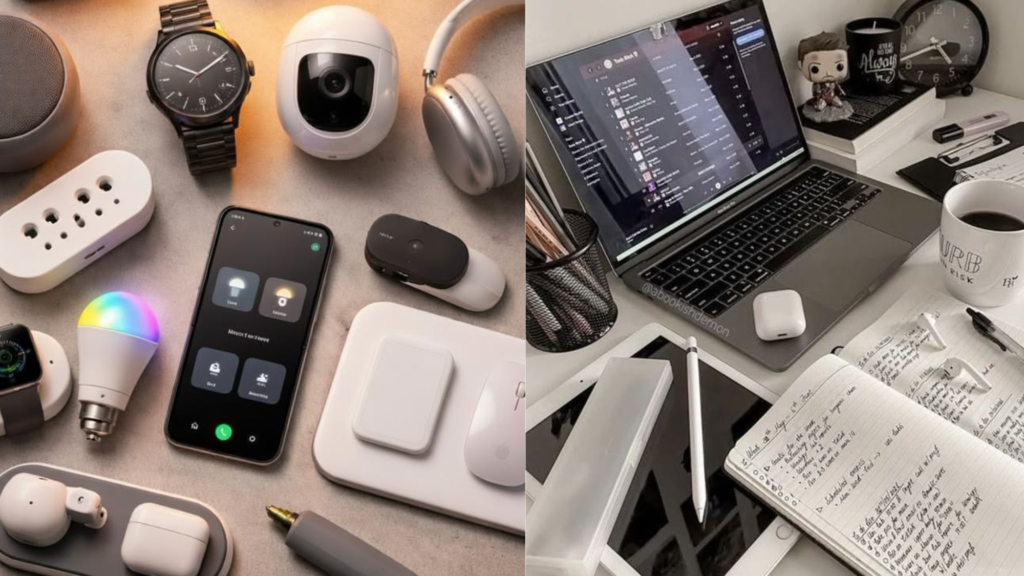
6. I Stopped Buying Unnecessary Kitchen Gadgets
Kitchen stores are filled with specialized gadgets designed for specific tasks. At one point, I owned tools for slicing, peeling, chopping, and preparing foods in numerous ways.
Many of these gadgets were used only once or twice before being forgotten in drawers and cabinets. They occupied valuable space while adding little practical benefit.
Through Minimalist living, I learned that a few versatile kitchen tools could accomplish most cooking tasks efficiently. A quality knife, cutting board, and basic cookware proved sufficient.
Reducing kitchen clutter made meal preparation easier and simplified cleaning routines. It also encouraged me to become more creative with the tools I already had.
Now, every item in my kitchen serves a clear purpose and earns its place.
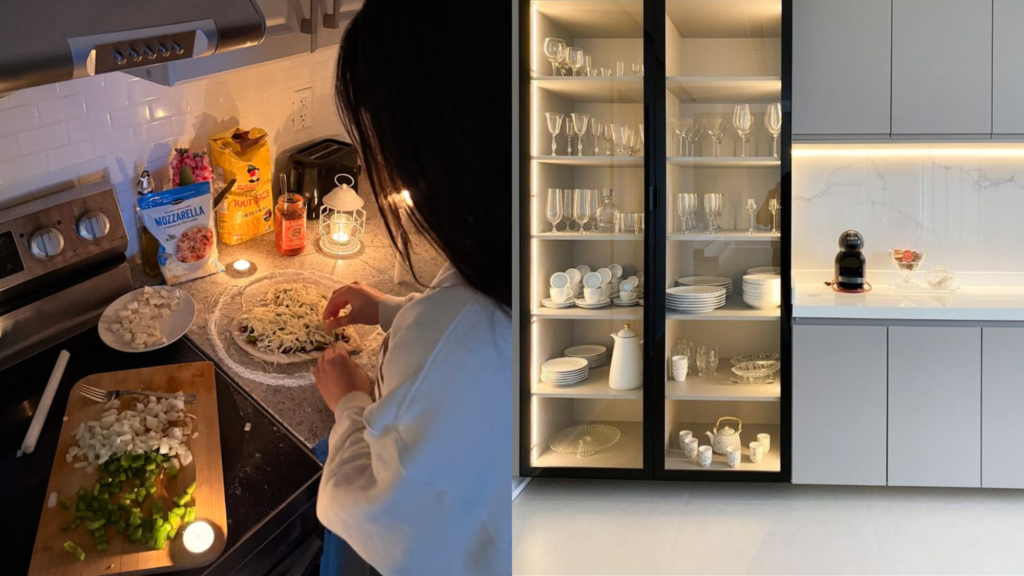
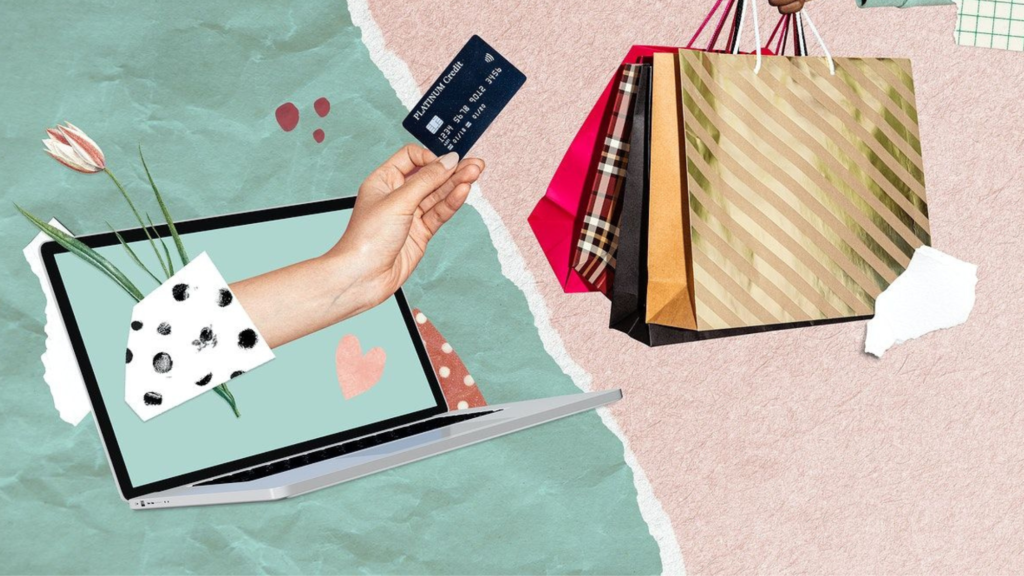
7. I Stopped Buying impulse purchases
Impulse buying was one of my biggest financial challenges. Small purchases often seemed harmless individually, but they added up quickly over time.
Retailers are skilled at encouraging spontaneous spending through discounts, promotions, and limited-time offers. I frequently bought items simply because they appeared to be a good deal.
Minimalist living helped me develop a waiting period before making purchases. Giving myself time to think allowed emotional impulses to fade.
Many items that seemed essential in the moment turned out to be unnecessary after a few days of reflection.
This simple habit improved my financial discipline and ensured that my purchases aligned with my actual needs.
8. I Stopped Buying Excess Beauty and Personal Care Products
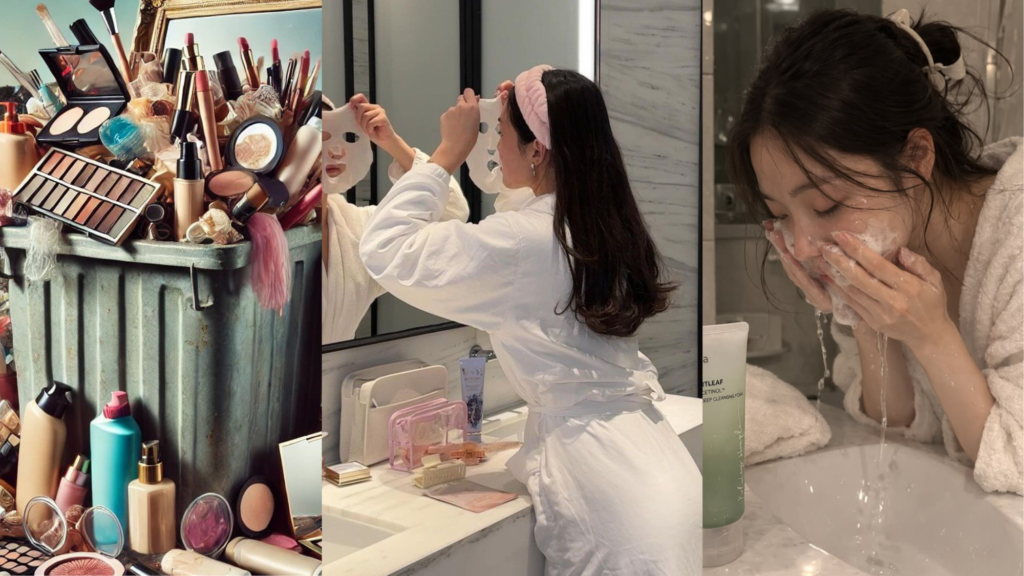
The beauty industry constantly introduces new products promising better results. I often purchased multiple skincare, grooming, and personal care items hoping to improve my routine.
However, many products served similar functions and remained partially used before being replaced by something new. This created clutter and wasted money.
Minimalism encouraged me to simplify my personal care routine and focus on products that consistently delivered value.
Using fewer products made my daily routine faster and reduced decision-making. It also helped me better understand which products genuinely worked for me.
Today, I maintain a small collection of essentials rather than an overflowing cabinet of rarely used items.
9. I Stopped Buying Things for My “Future Self”
One surprising realization was how often I purchased items for a version of myself that didn’t exist yet. Exercise equipment, hobby supplies, and organizational tools were often bought with ambitious plans.
While these purchases reflected good intentions, many remained unused because they didn’t match my current habits or priorities.
Minimalism taught me to focus on who I am today rather than who I might become someday. If I develop a consistent habit first, I can invest in supporting tools later.
This approach prevents unnecessary spending and ensures that purchases are based on real needs rather than imagined possibilities.
Living in the present has made my decisions more practical and intentional.
10. I Stopped Buying Things to Impress Other People
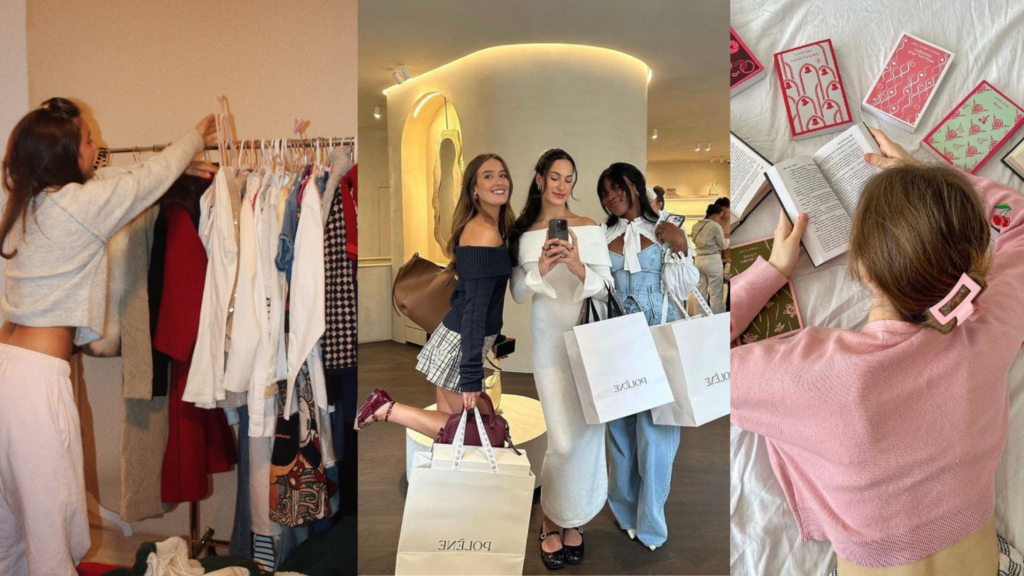
Perhaps the most transformative change was letting go of purchases motivated by social pressure. Expensive brands, luxury items, and status symbols often appealed to me because of what they communicated to others.
Over time, I realized that external validation rarely provides lasting satisfaction. The desire to impress people can lead to unnecessary spending and financial stress.
Minimalist living encouraged me to define success according to my own values rather than societal expectations. I began prioritizing experiences, relationships, and personal growth over material possessions.
This shift created a greater sense of freedom and confidence. I no longer felt obligated to keep up with trends or comparisons.
True fulfillment comes from authenticity, not from accumulating items designed to impress others.
Conclusion
Minimalist living transformed the way I think about consumption. By stopping the purchase of fast fashion, unnecessary decor, duplicate household items, unread books, constant technology upgrades, kitchen gadgets, impulse buys, excessive beauty products, future-self purchases, and status-driven items, I created a simpler and more intentional life. The benefits extended far beyond saving money. My home became more organized, my stress levels decreased, and I gained a greater appreciation for the things I truly value. Minimalism is not about owning as little as possible—it is about making thoughtful choices and ensuring that every purchase serves a meaningful purpose. When we buy less, we often discover that we already have more than enough.