
Money & Smart Spending is the key to achieving financial stability and reaching your goals. By making smarter spending decisions and following simple money-saving habits, you can reduce expenses, grow your savings, and enjoy greater peace of mind.
Managing your money wisely starts with smart spending and thoughtful financial decisions. By creating a budget, avoiding unnecessary expenses, and saving consistently, you can build long-term financial security. Exploring online earning opportunities, such as freelancing, remote work, or digital businesses, can provide an extra source of income and help you achieve your financial goals faster. Combining smart spending habits with online earning is a practical way to improve your finances and create a more stable future.
At first, the goal seemed difficult because I was used to spending money without tracking where it went. However, by creating a simple strategy, reducing unnecessary expenses, and staying disciplined, I was able to achieve my target. In this blog, I will share the exact steps I followed, the habits I changed, and the lessons I learned while saving $1,000 in one month.
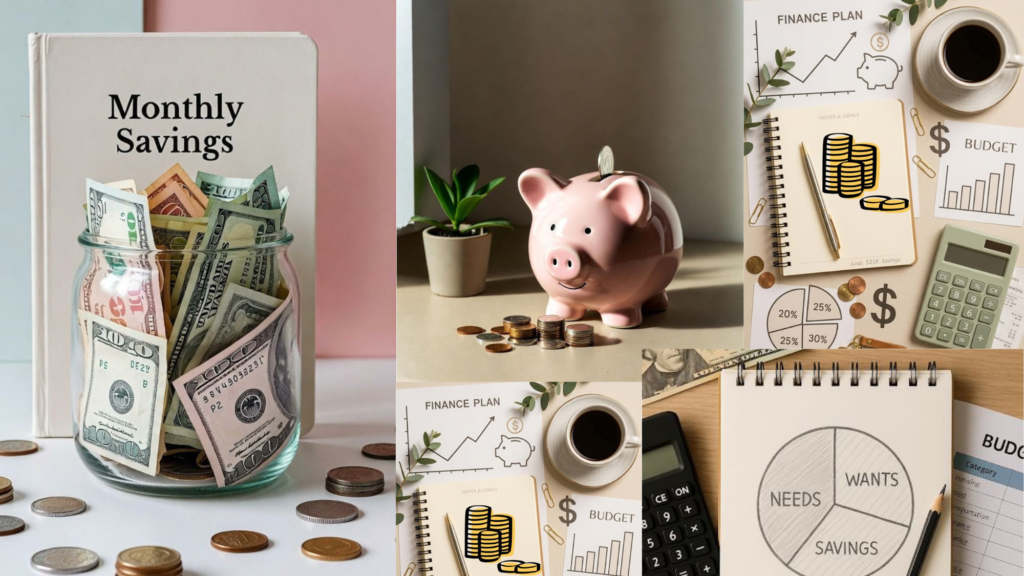
1. Setting a Clear Savings Goal
The first thing I did was set a clear and realistic savings goal and Money & Smart Spending. Instead of simply saying I wanted to “save money,” I decided on a specific target of $1,000 within 30 days. Having a clear number made the challenge feel more serious and motivated me to stay focused every day.
I also divided the goal into smaller weekly targets to make it easier to manage. This helped me track my progress and avoid feeling overwhelmed. By breaking the challenge into smaller milestones, I stayed motivated and celebrated each small achievement along the way.
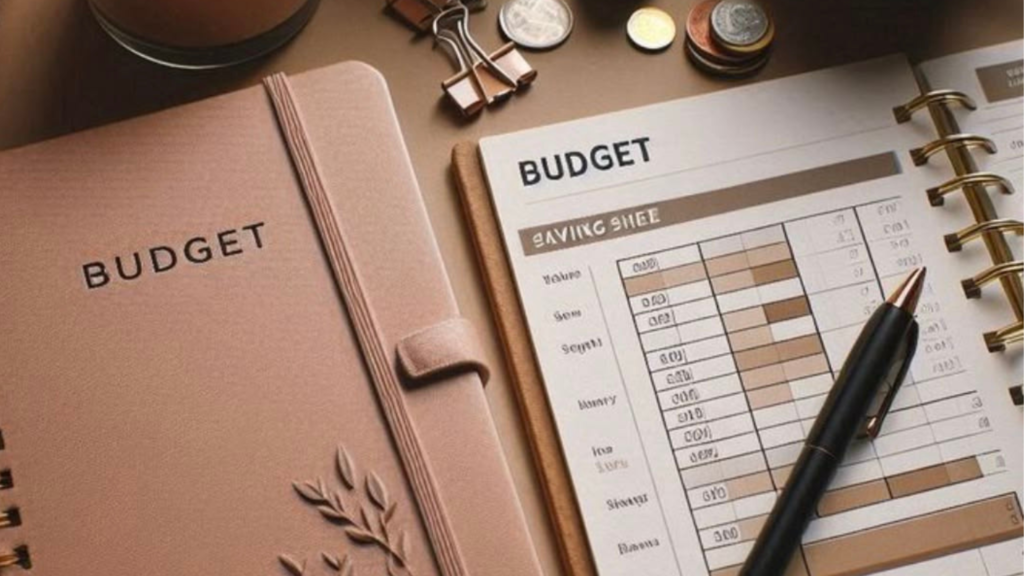
2. Tracking Every Expense
One of the biggest eye-openers during this challenge was realizing how much money I wasted on unnecessary purchases. I started tracking every expense, including coffee, snacks, online shopping, and transportation costs.
At the end of the first week, I noticed several spending habits that were draining my budget. Small daily expenses seemed harmless, but together they added up to hundreds of dollars each month. Tracking my spending helped me become more aware of where my money was going and allowed me to make smarter financial decisions. And that’s how i save Money & Smart Spending.

3. Creating a Strict Budget
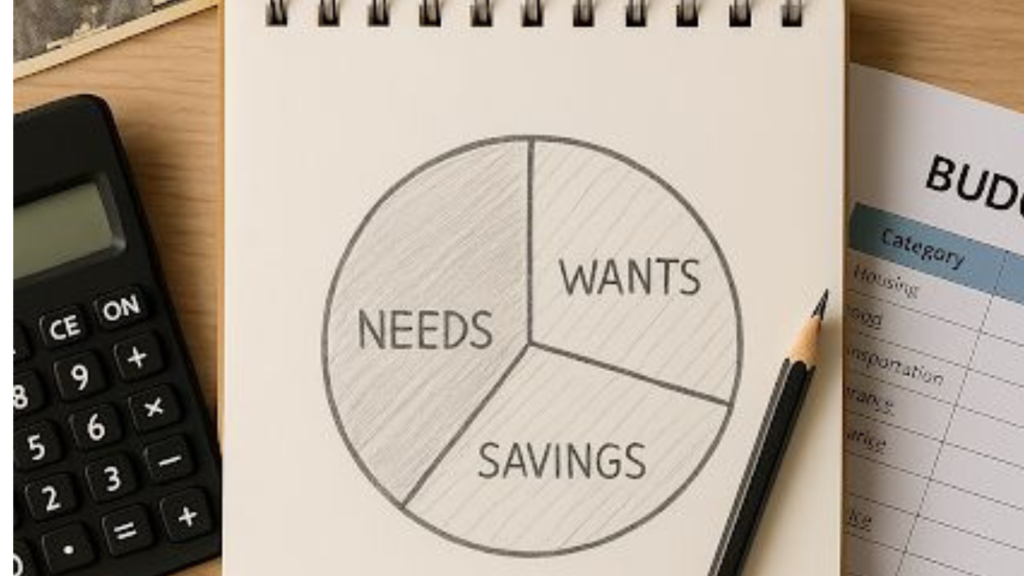
After understanding my spending habits, I created a strict monthly budget. I separated my expenses into categories such as food, transportation, bills, entertainment, and savings.
I gave myself spending limits for each category and avoided going over them. Budgeting helped me stay organized and prevented impulse spending. Instead of wondering where my money disappeared, I had complete control over how every dollar was being used. Saving Money & Smart Spending is such a useful thing i have ever done in my life.
4. Cutting Back on Eating Out
One of the fastest ways I saved money & Smart Spending was by reducing how often I ate at restaurants and ordered takeout. Before the challenge, I frequently bought coffee, snacks, and fast food without thinking about the cost.
I started cooking meals at home and preparing lunch before leaving for work or school. Not only did this save me a large amount of money, but it also helped me eat healthier. By the end of the month, I realized how expensive convenience food can be and how much money can be saved through meal planning.
5. Cancelling Unnecessary Subscriptions
During the challenge, I reviewed all my monthly subscriptions, including streaming services, apps, and memberships. I discovered several subscriptions I barely used but continued paying for every month.
Cancelling unnecessary subscriptions immediately reduced my monthly expenses. I kept only the services I truly needed and eliminated the ones that were wasting money. This simple step help me in Money & Smart Spending more than I expected and made me more careful about future subscriptions.
6. Avoiding Impulse Purchases
Impulse buying was one of my biggest financial weaknesses. Whenever I saw discounts or online sales, I often bought things I did not actually need.
To control this habit, I started following the “24-hour rule.” Whenever I wanted to buy something non-essential, I waited 24 hours before making the purchase. Most of the time, I realized I did not really need the item. This strategy helped me avoid emotional spending and saved a significant amount of money.
7. Finding Extra Ways to Earn Money
Saving money alone was not enough, so I also looked for small ways to increase my income. I sold unused items, completed freelance work, and took on small side jobs whenever possible.
Even earning a little extra money made a big difference. Instead of spending the additional income, I added it directly to my savings goal. This helped me reach the $1,000 target faster and showed me the importance of having multiple income sources.
8. Using Cash Instead of Cards
Another effective strategy was switching from credit cards to cash for daily expenses. Using cards made spending feel easy and painless, which often caused me to overspend without noticing.
With cash, I became more aware of every purchase because I could physically see the money leaving my wallet. This simple psychological change helped me spend less and stick to my budget more effectively.
9. Staying Motivated Throughout the Month
Saving money for 30 days required discipline and consistency. There were moments when I wanted to give up, especially when friends invited me out or tempting sales appeared online.
To stay motivated, I reminded myself why I started the challenge in the first place. I tracked my savings progress daily and visualized how good it would feel to achieve my goal. Watching my savings grow each week gave me confidence and encouraged me to continue.
10. Lessons I Learned from the Challenge
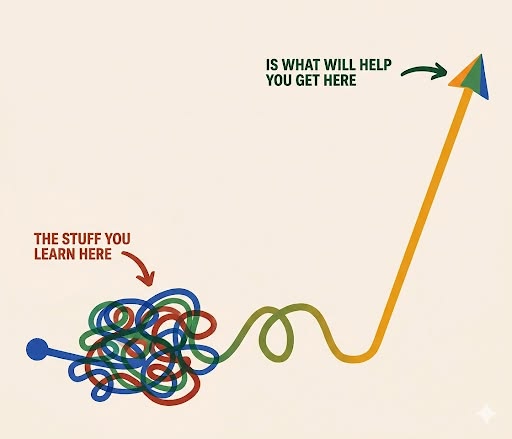
By the end of the 30 days, I successfully saved $1,000 and learned valuable financial lessons that changed my mindset forever. I realized that saving money is not about earning a huge income; it is about making smarter decisions with the money you already have.
I also learned the importance of discipline, budgeting, and financial awareness. Small changes such as cooking at home, avoiding impulse purchases, and tracking expenses can lead to major results over time. Most importantly, I discovered that financial freedom begins with simple daily habits.
Conclusion
Saving $1,000 in 30 days was not always easy, but it was one of the most rewarding financial challenges I have ever completed. The experience taught me how quickly unnecessary expenses can add up and how powerful small savings habits can become when practiced consistently.
Anyone can improve their financial situation by setting clear goals, tracking spending, and making mindful decisions. You do not need to completely change your lifestyle overnight. Even small adjustments can create significant results over time. This challenge proved that with discipline, planning, and commitment, reaching financial goals is possible for anyone willing to stay focused. That’s how i saved Money & Smart Spending